Research
My research explores how pattern and ornament can express the complex identities and cultural heritage of British Bengali Muslims. Drawing on ideas of cultural hybridity, I examine how creative practices such as textiles, paper folding, installation, and curating can act as forms of cultural translation, connecting past and present. Through my own practice and the work of other diasporic artists, I explore how inherited cultural traditions are reinterpreted and given new meaning in contemporary art. The research argues that pattern is more than decoration; it is a visual language through which identity, memory, belonging, and cultural connection can be understood and expressed.
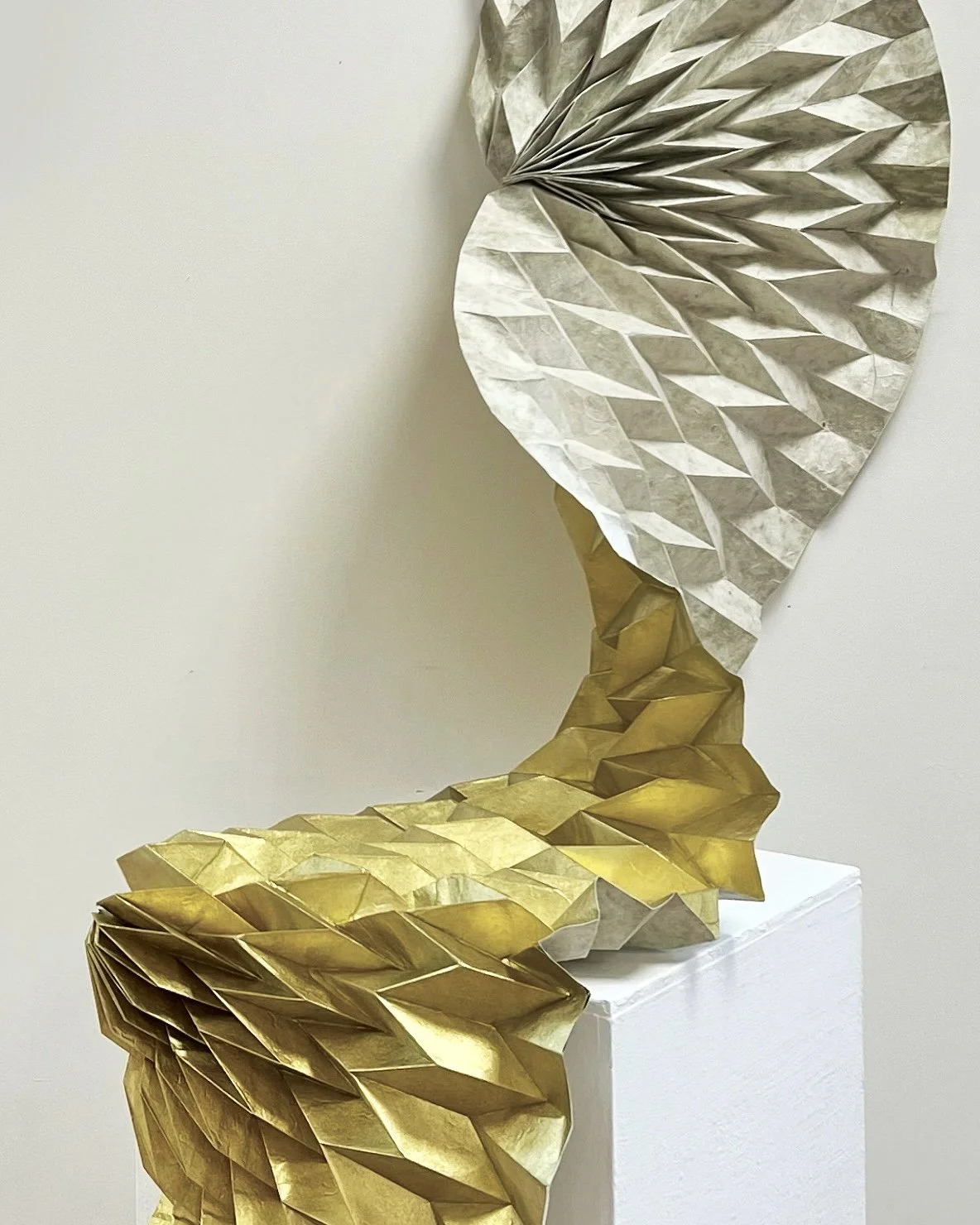
Jennifa Chowdhury, Unfolding (2023), Screen printed, handmade Nepalese Lokta paper
Architecture, Identity and Belonging
My textile practice is informed by the ornamental architecture of the Islamic world. Visiting Istanbul’s Ottoman mosques brought the relationship between architectural heritage, faith and diasporic identity into focus. Within these spaces, the azan resonated as a spiritual and communal affirmation, evoking a sense of rootedness. Beyond aesthetic appreciation, I experienced a connection to a heritage often contested elsewhere — a space in which I could belong without hesitation or apology. This encounter deepened my reflection on how religious architecture mediates personal memory, collective history and contemporary experiences of belonging.
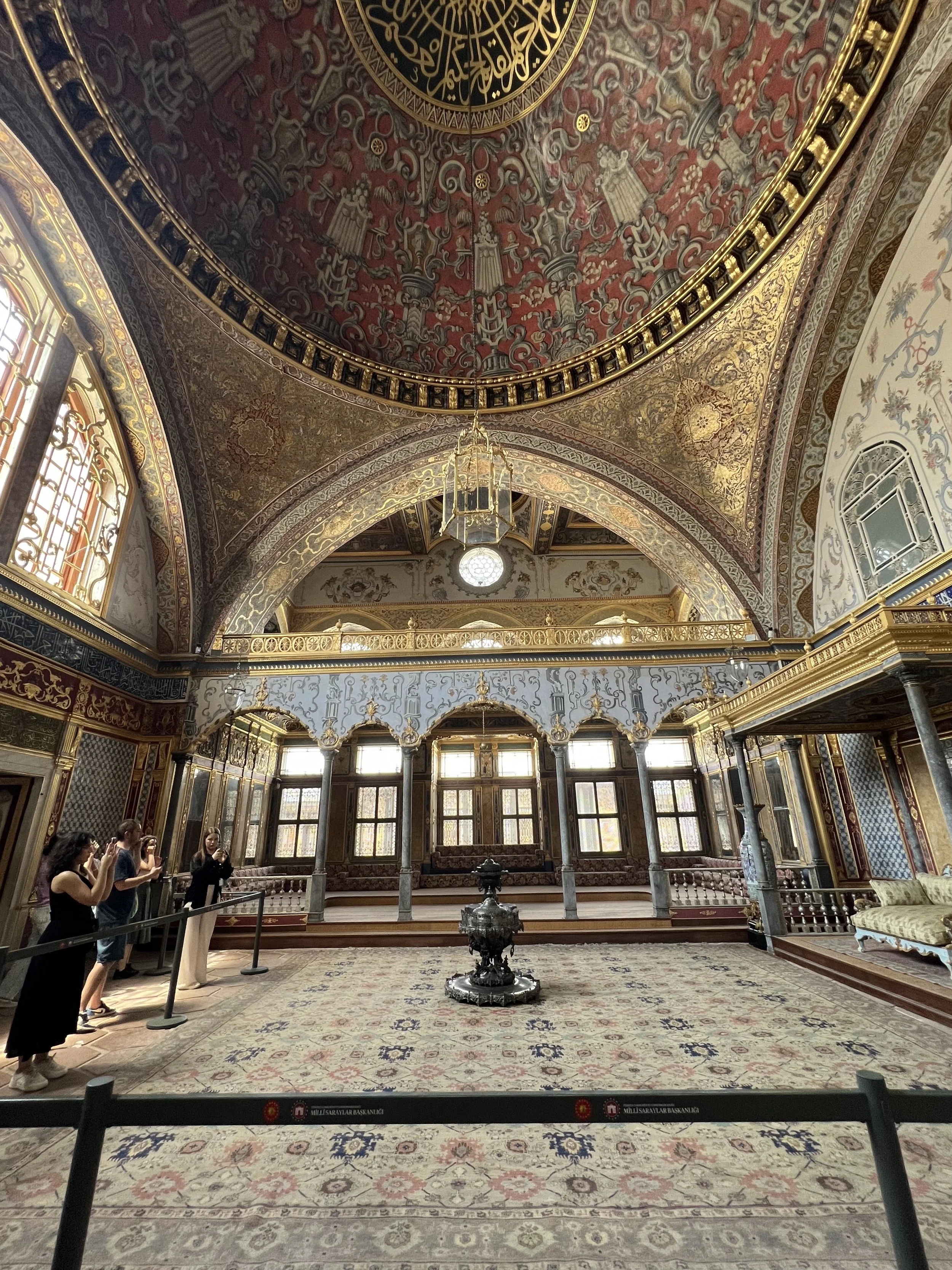
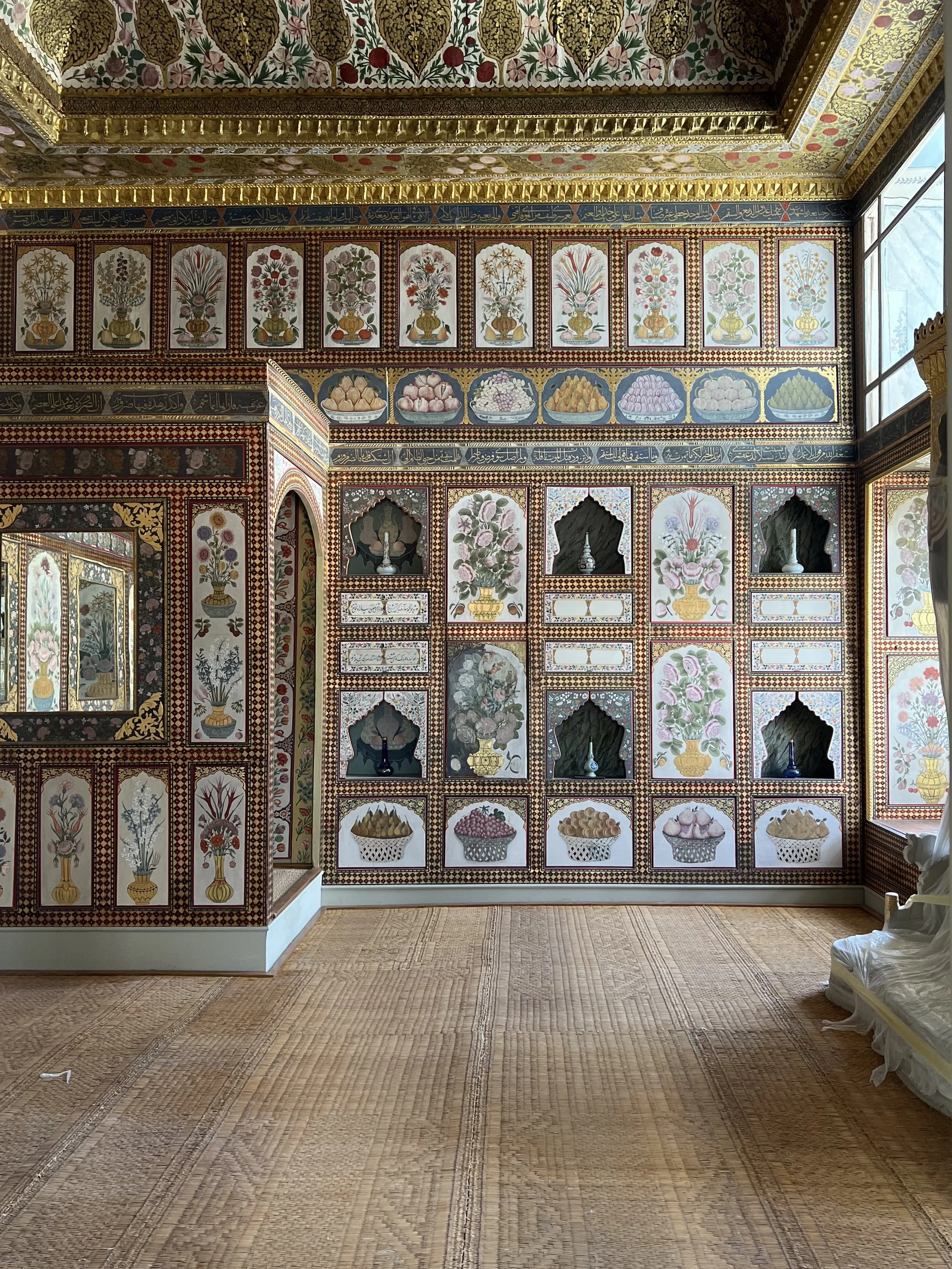
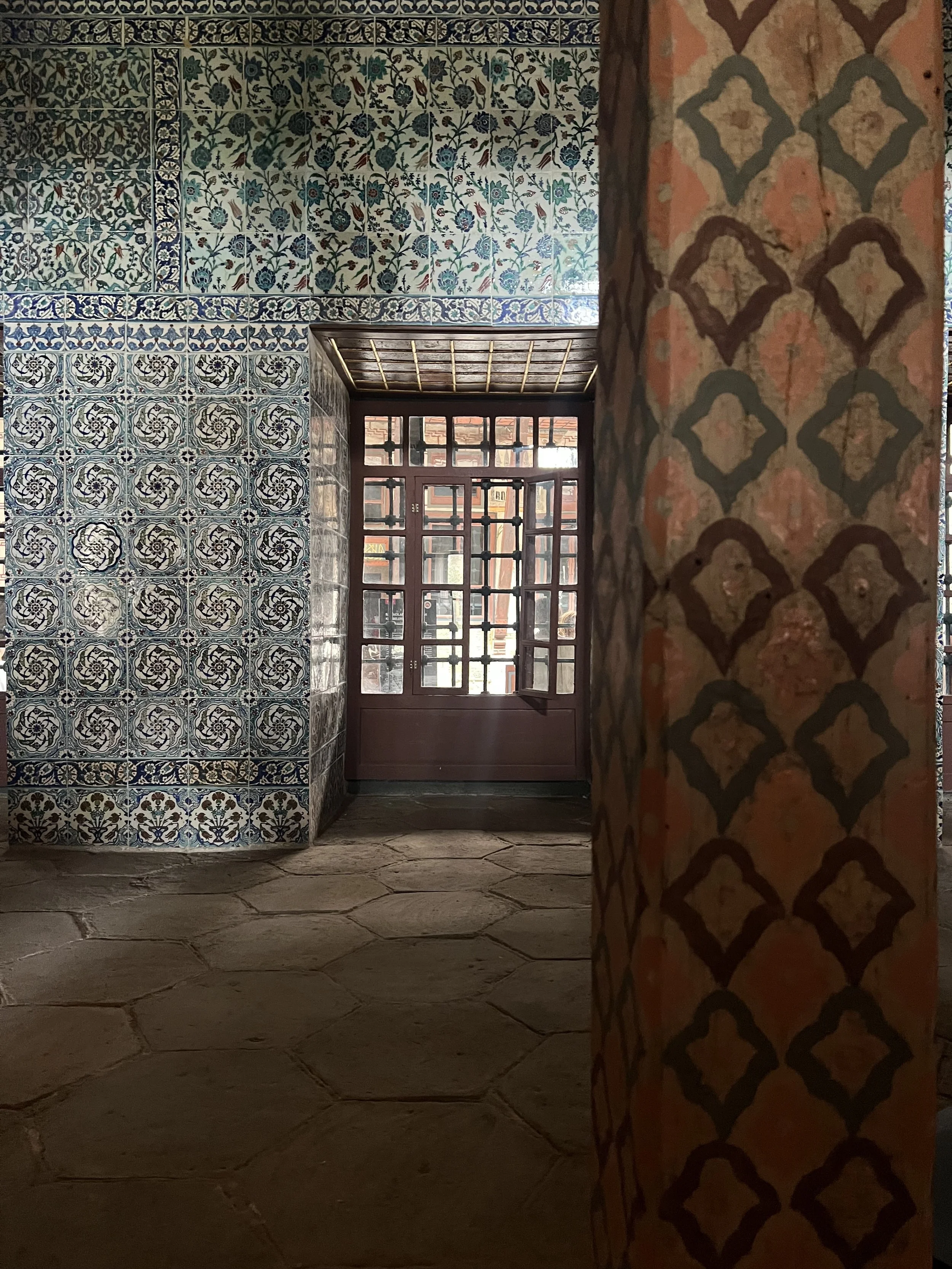
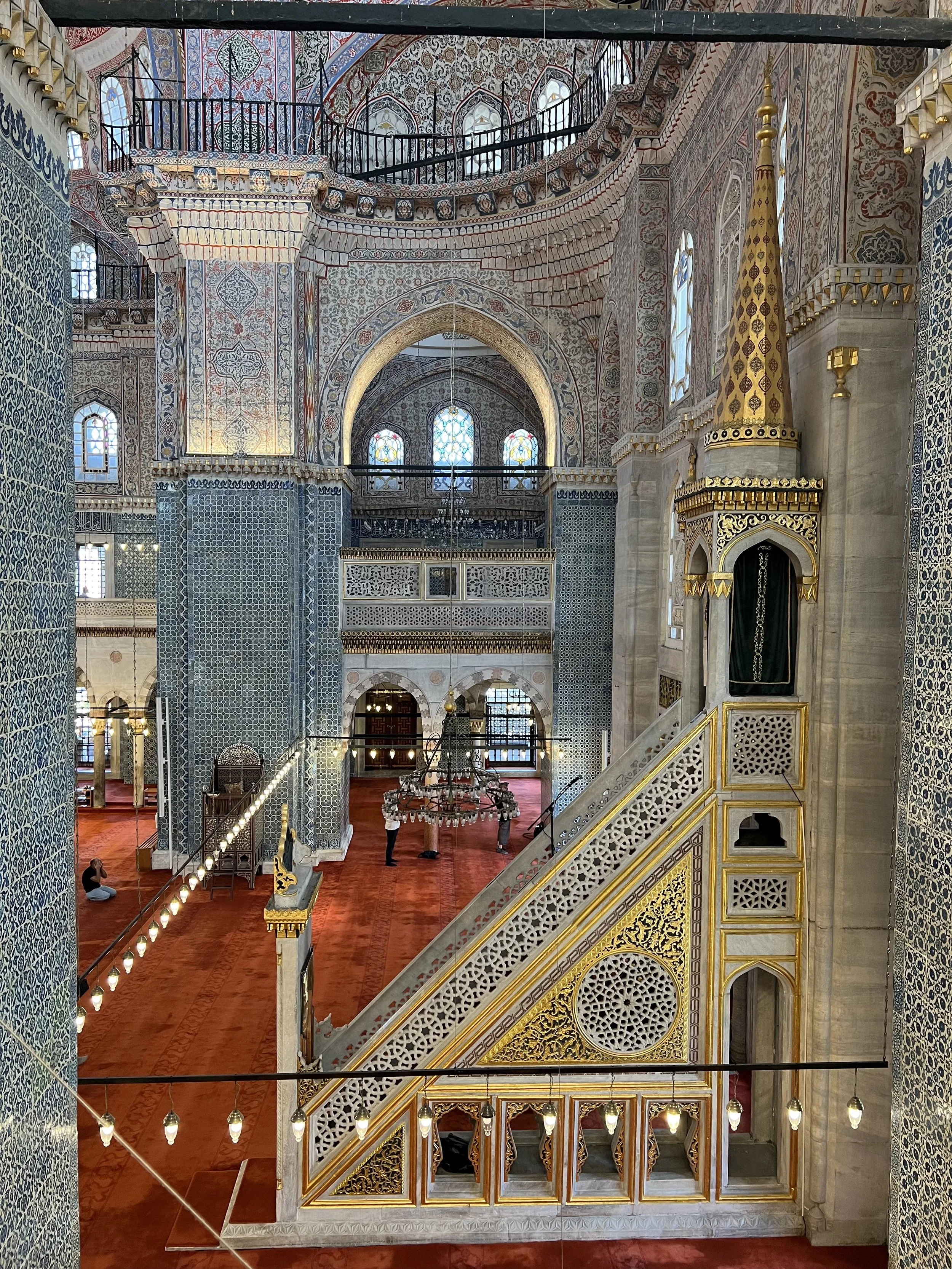
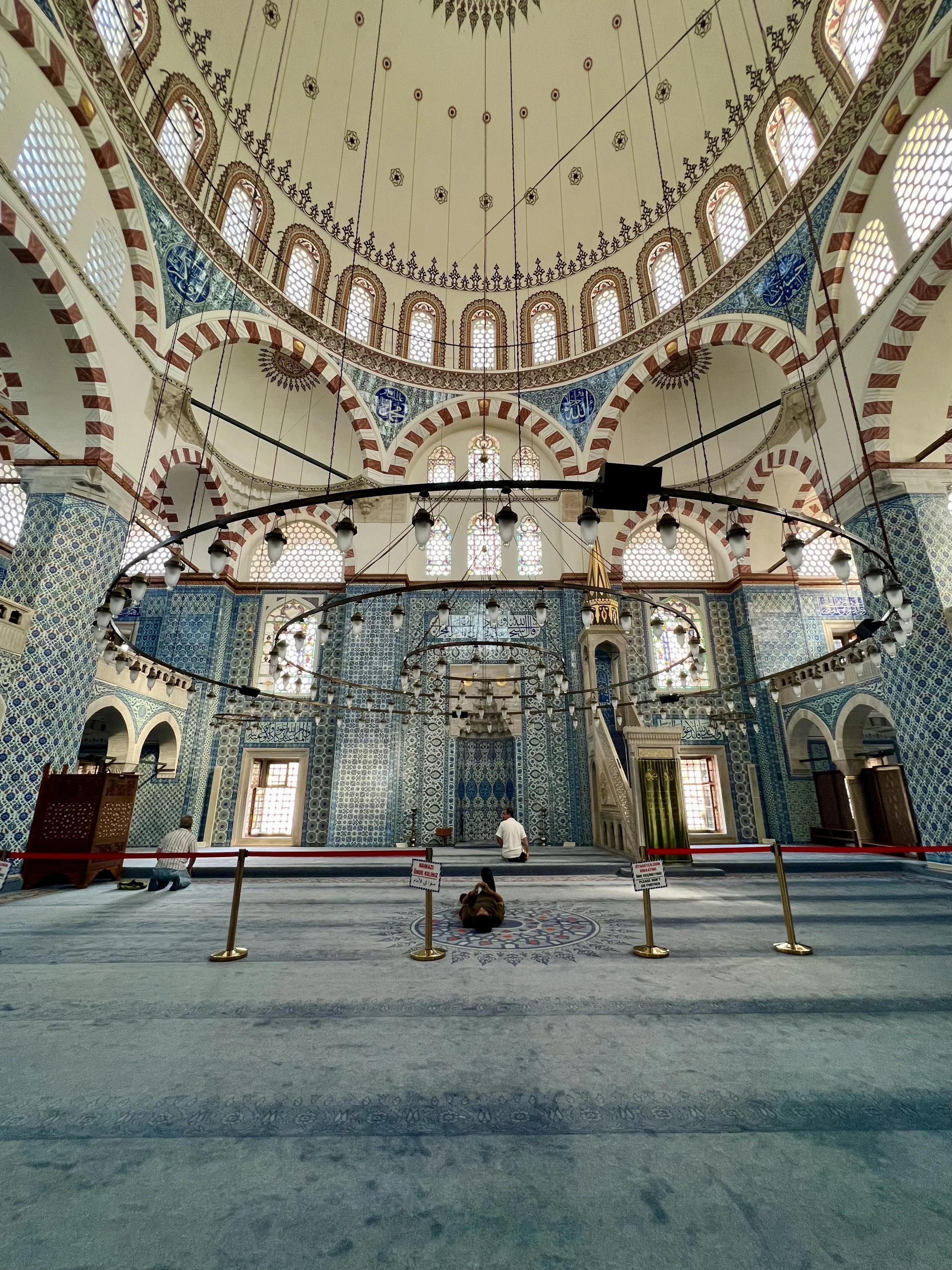
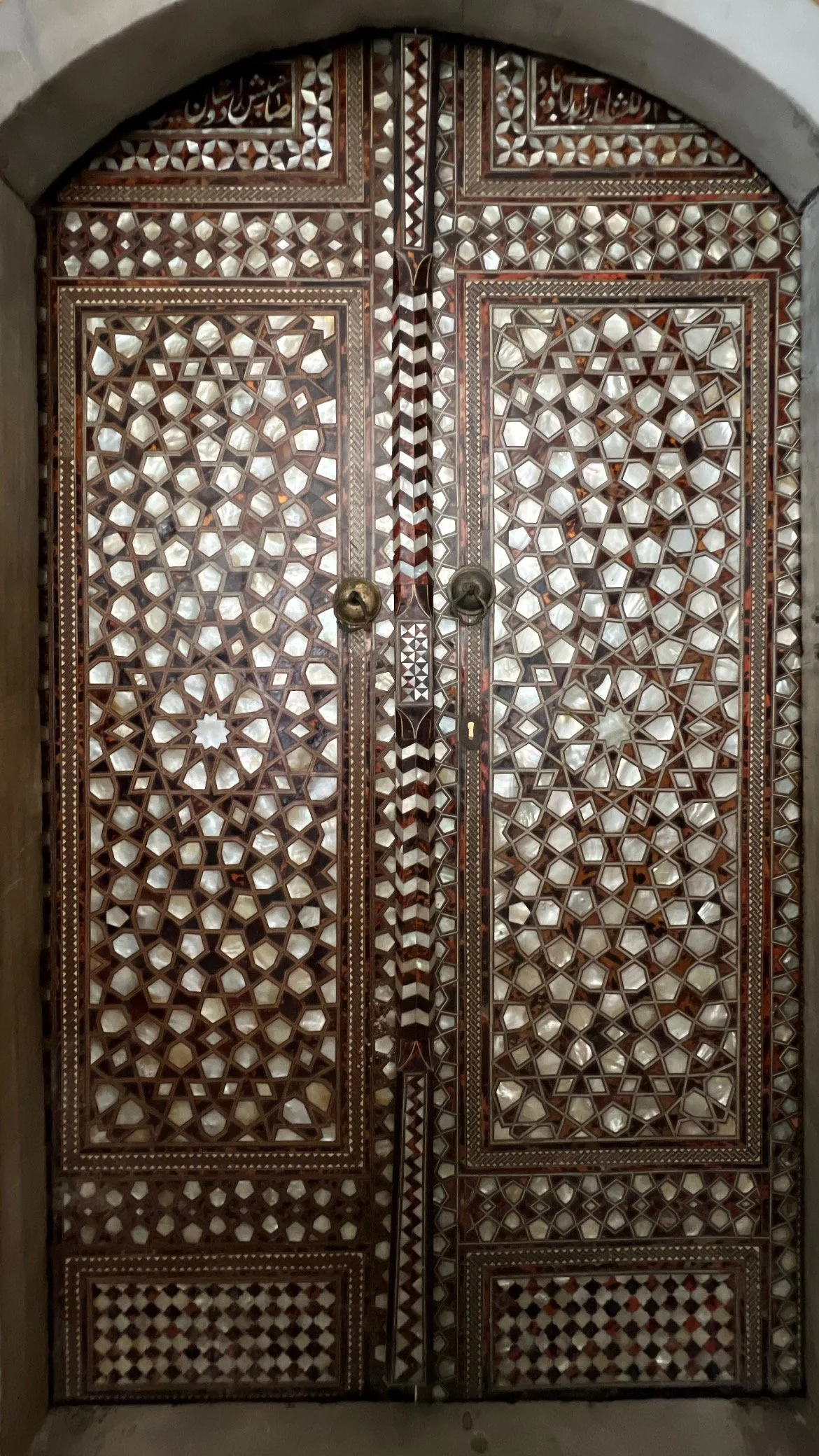
light, pattern and space
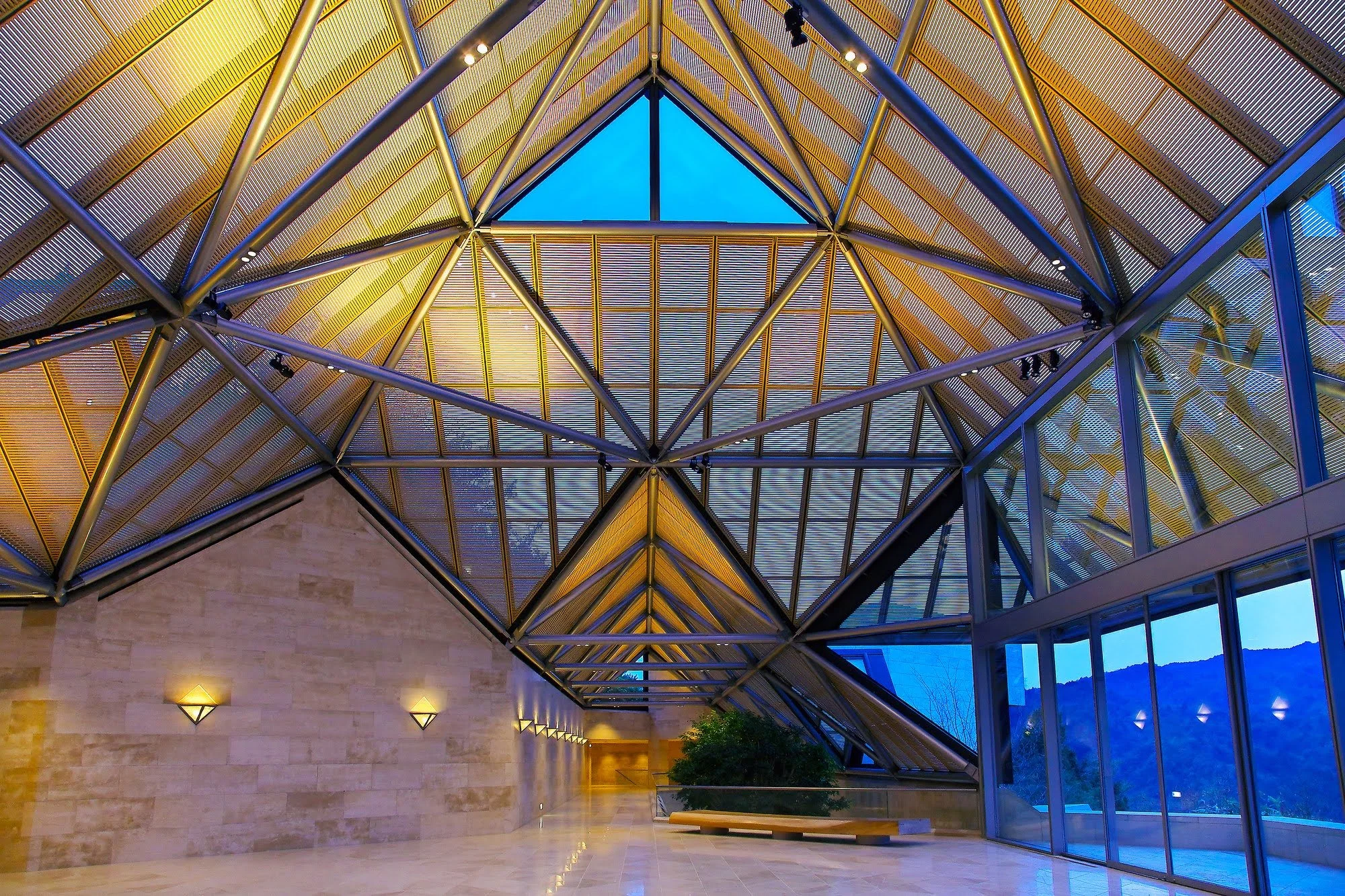
In 2024, I visited the Nasrid Palaces at the Alhambra, where I explored its intricate geometry, carved stucco, tilework and arabesque motifs. Experiencing the site first-hand revealed the full sophistication of its craftsmanship. The interplay of light, material, pattern and space demonstrated how ornament and architecture work together to create a powerful sensory experience.
This encounter continues to inform my textile practice. By translating principles of Islamic ornament into contemporary materials, I create textiles that connect historic craftsmanship with personal expression and present-day design exploration.
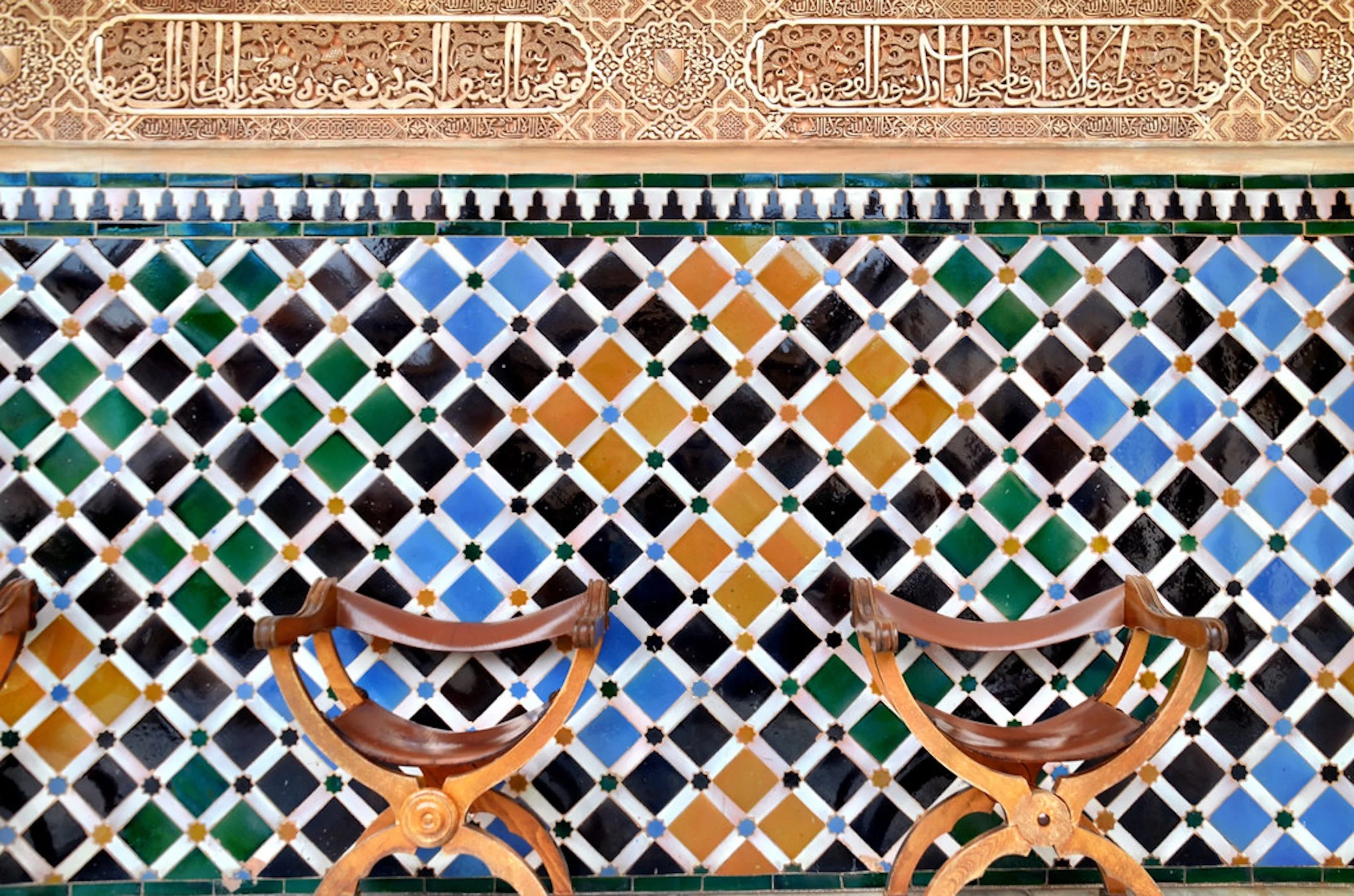
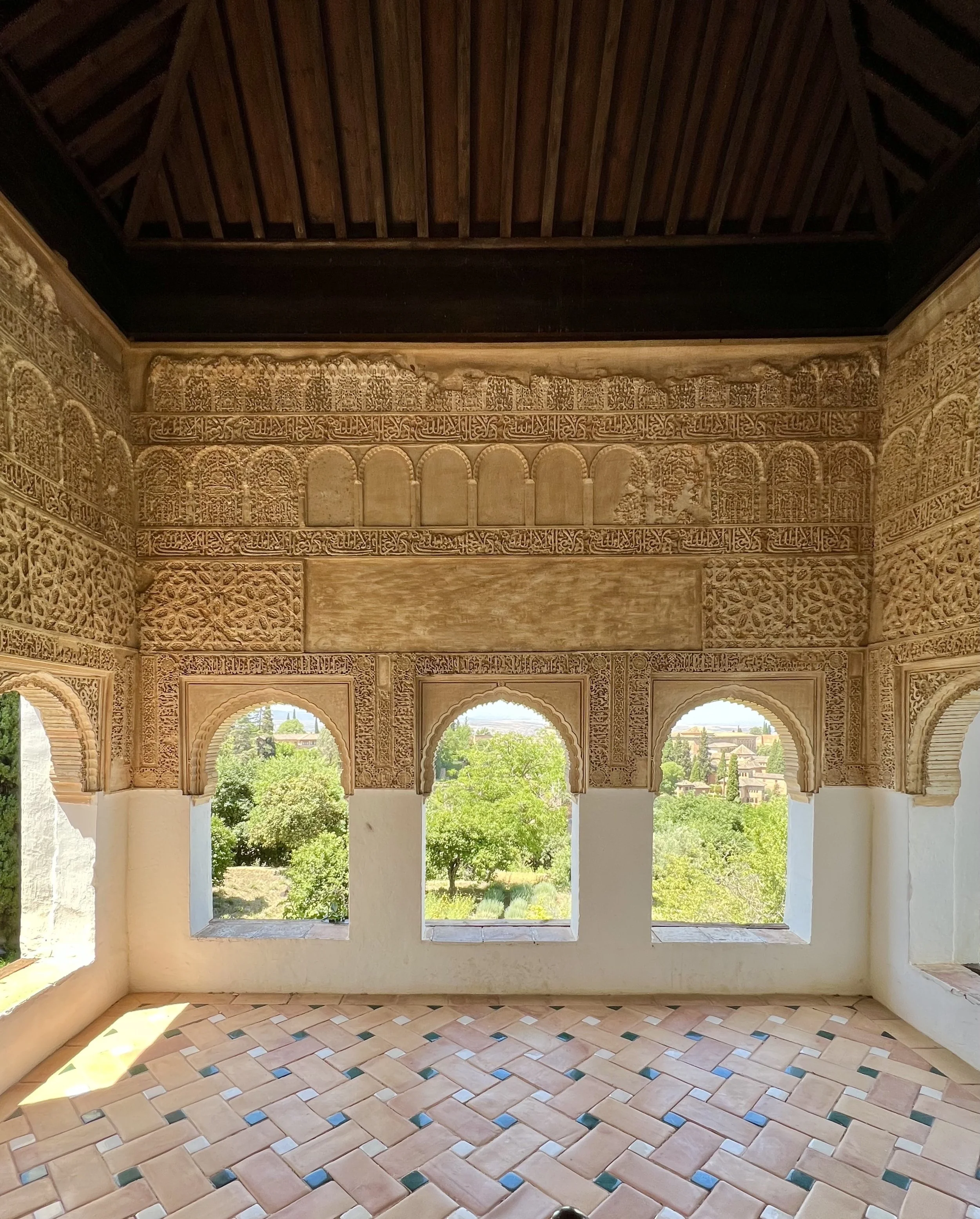
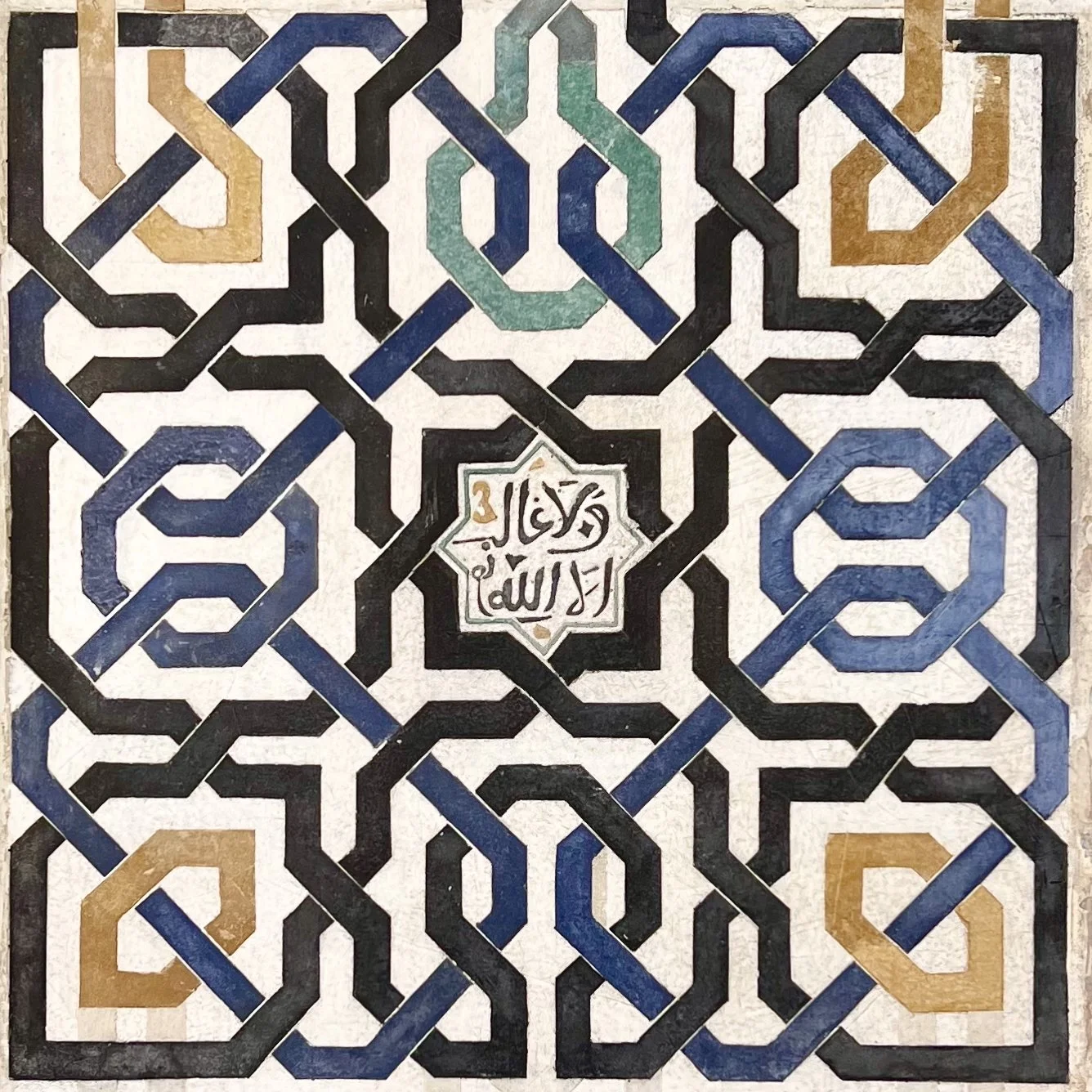
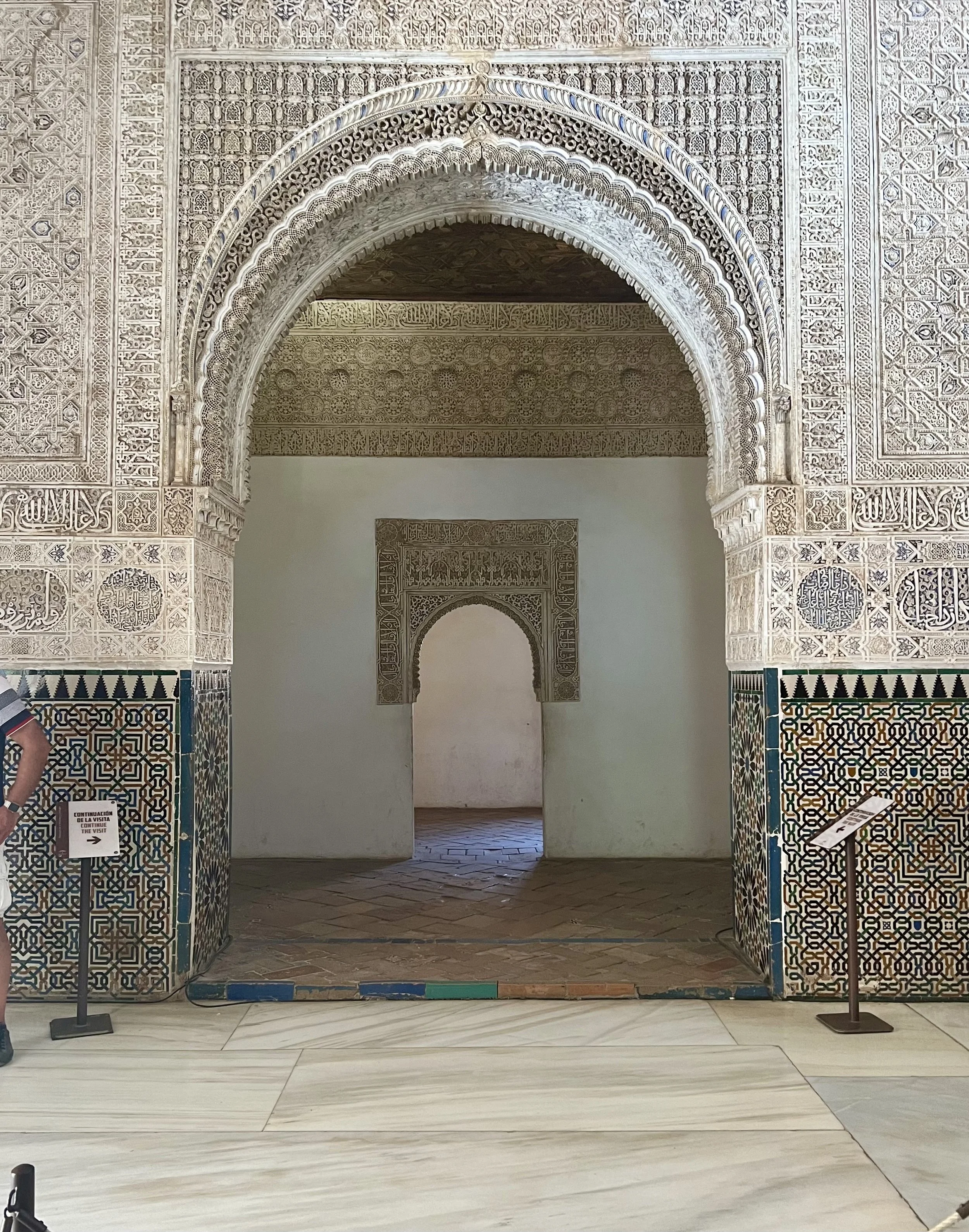
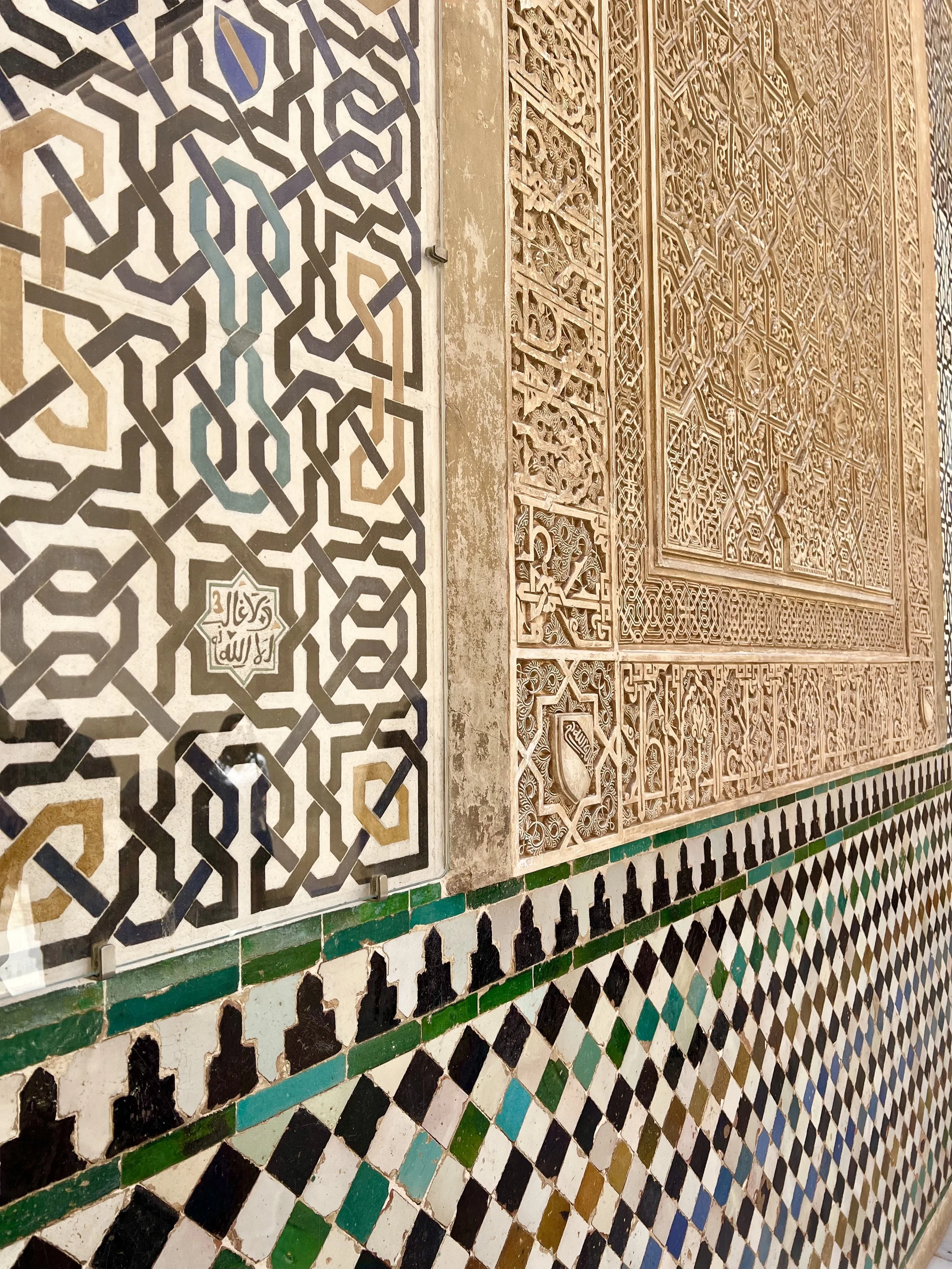
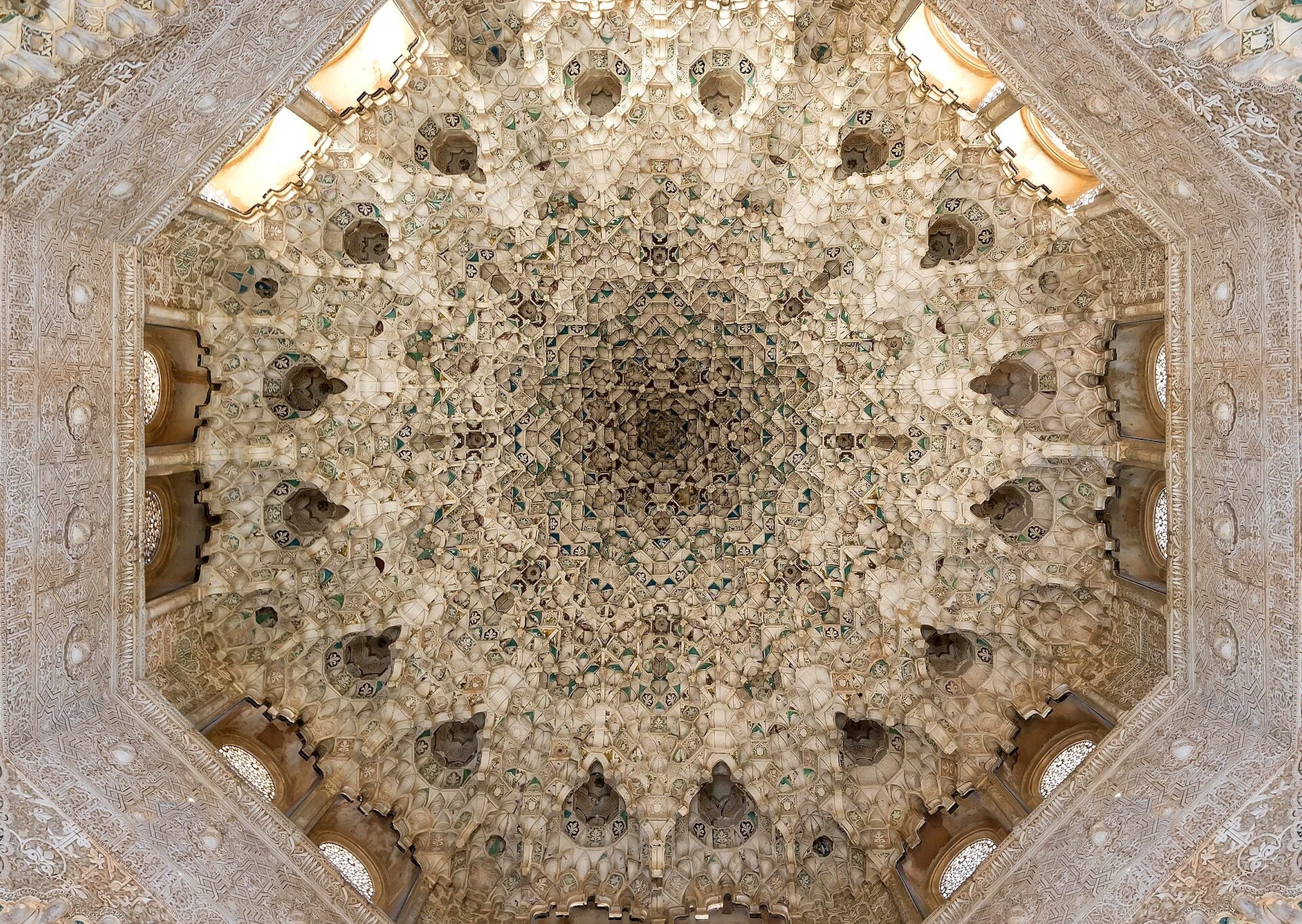
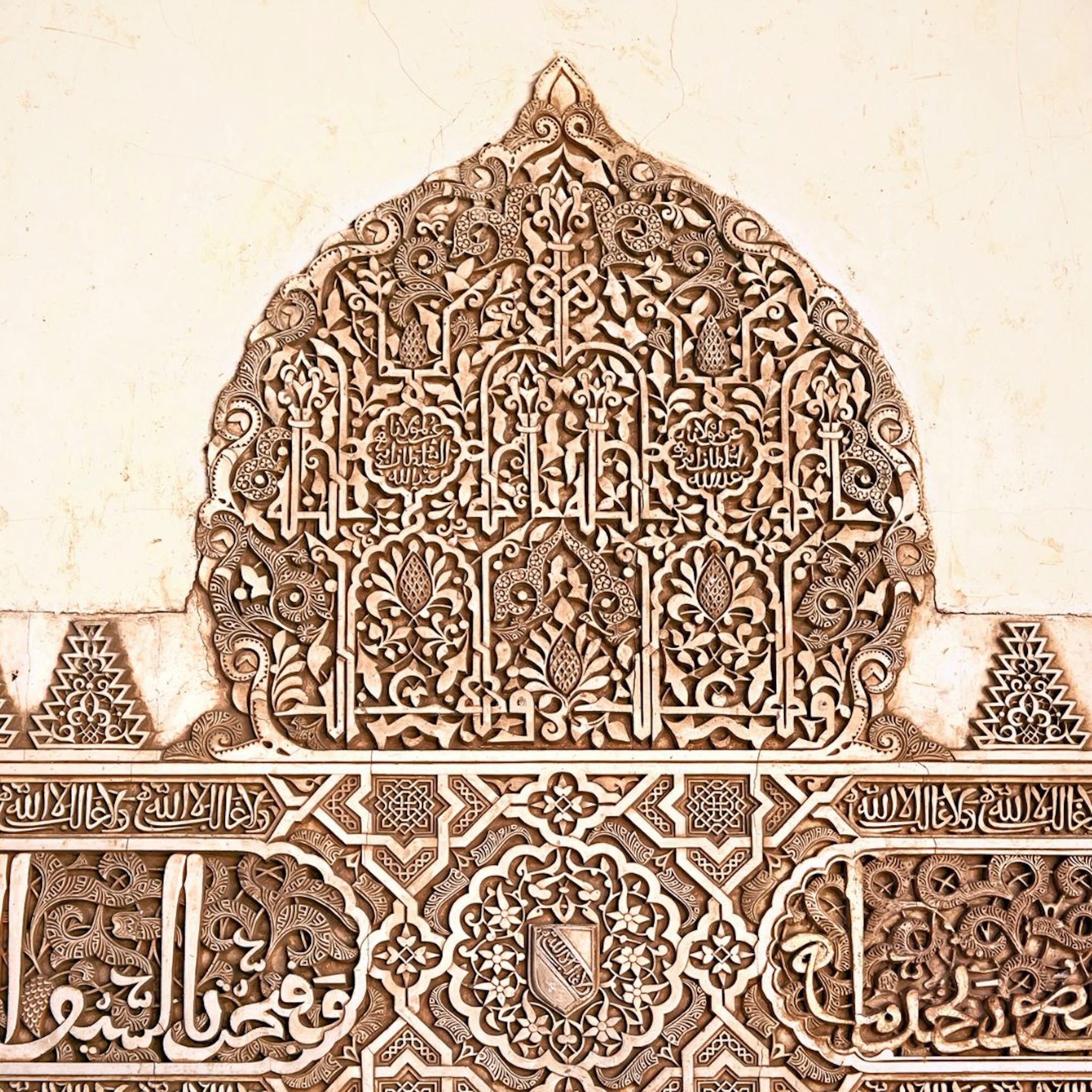
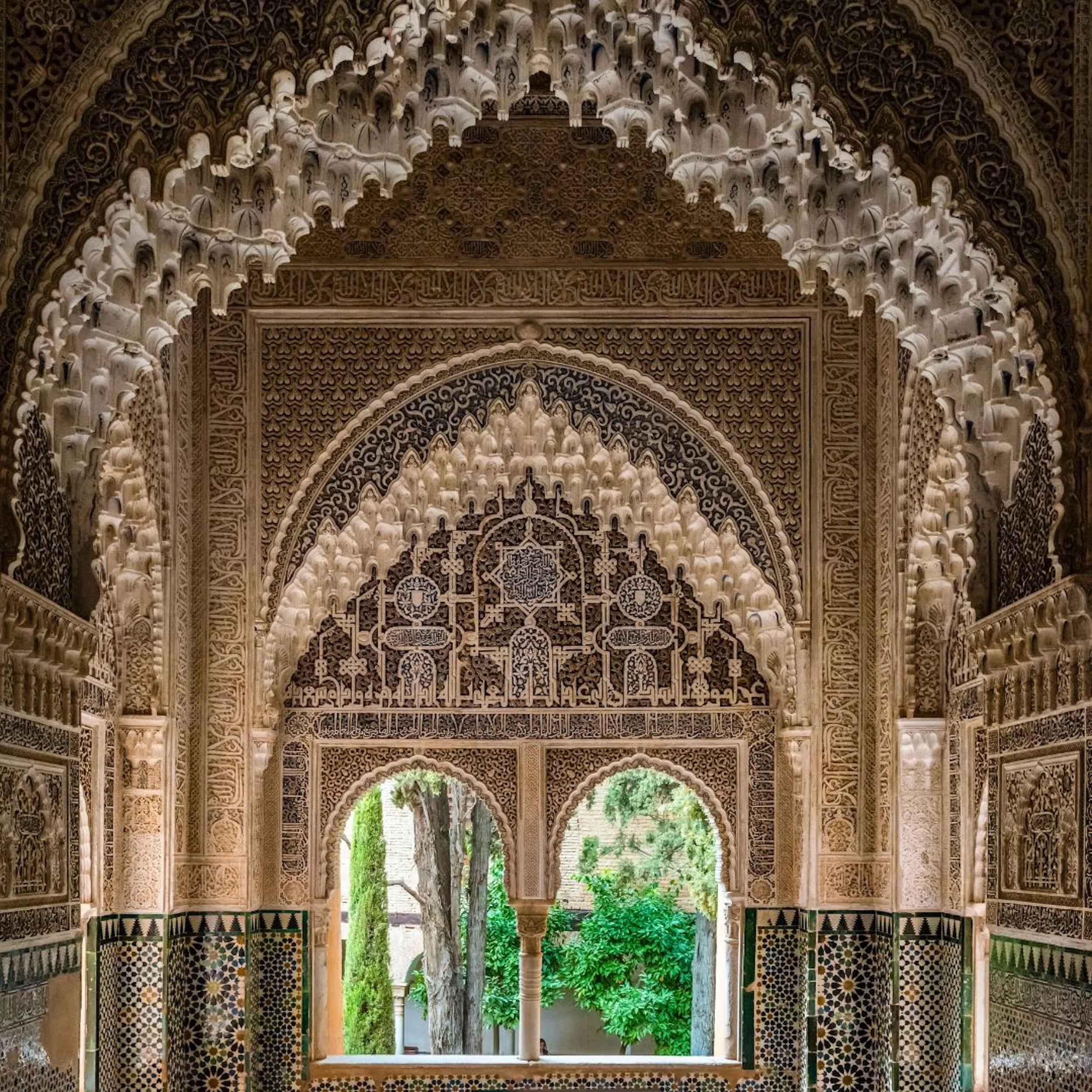
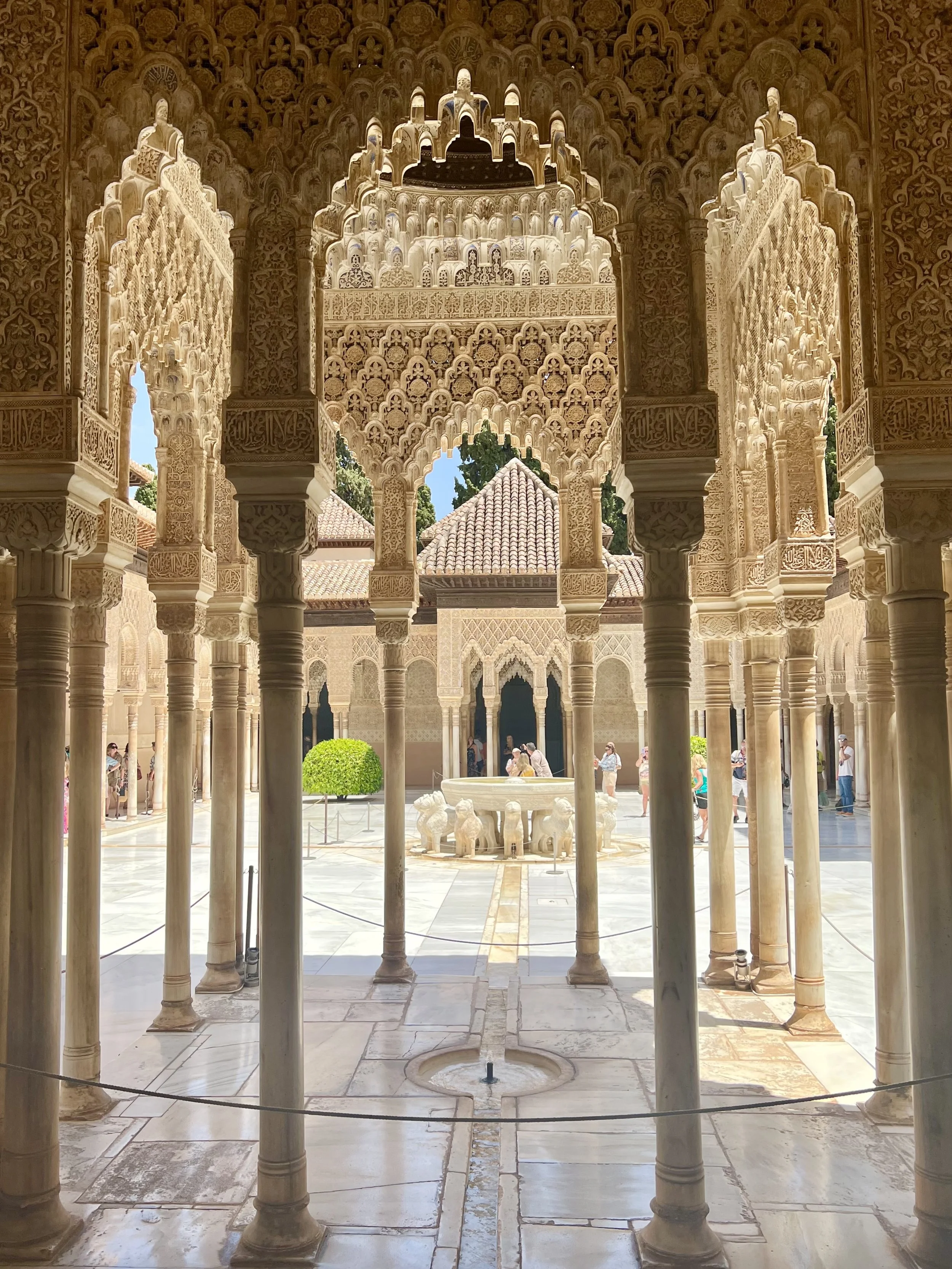
Owen Jones – The Grammar of Ornament
Owen Jones’s writings on ornament offer a critical starting point for this enquiry. His warning against the “dangerous tendency” of imitation, alongside his desire “to awaken a higher ambition”, raises a question central to my practice: how can artists engage meaningfully with historical forms without simply reproducing them? I approach the past not as a catalogue of motifs to borrow, but as a space for questioning, interpretation and creative possibility.
This engagement also requires attention to the complexities of cultural borrowing. Although appropriation is not the central focus of my research, Jones’s use of Islamic pattern and ornament prompts me to consider how artistic traditions are interpreted and reframed, and what it means to work thoughtfully with inherited visual languages.
In the studio, these questions unfold through the relationship between research and textile making. I explore how technical decisions and creative processes inform one another, bringing ideas about ornament into dialogue with material practice.
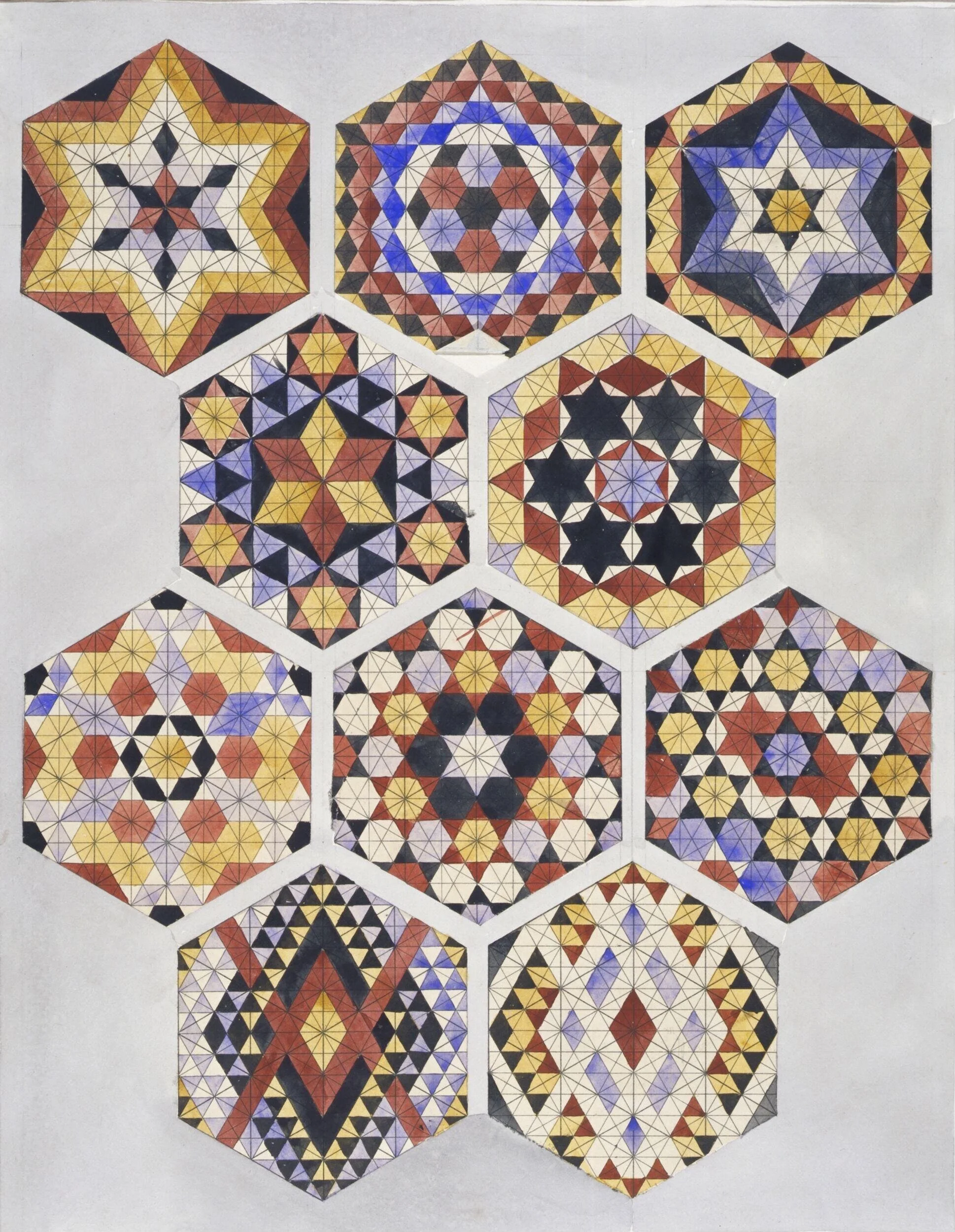
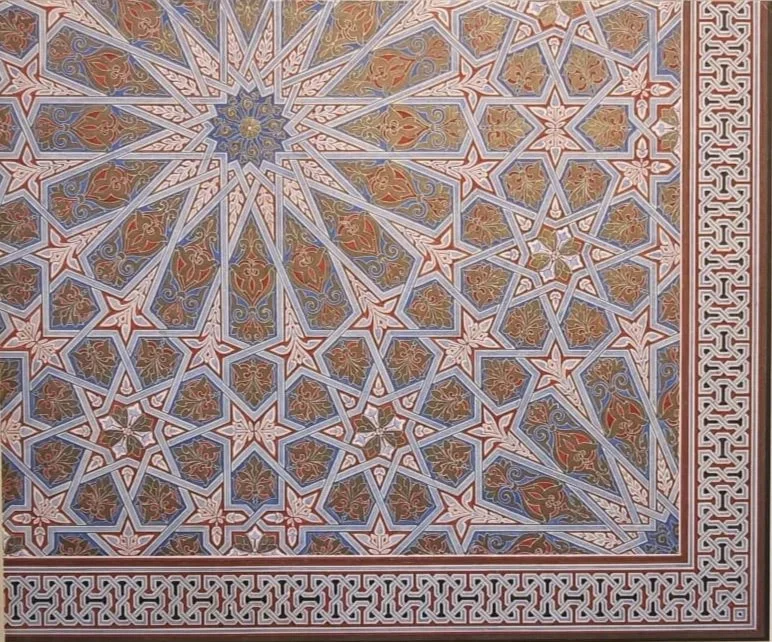
Designs for tiles in Islamic style, Owen Jones (1840-50), Victoria and Albert Museum.
Reimagining the Mughal Colonnades
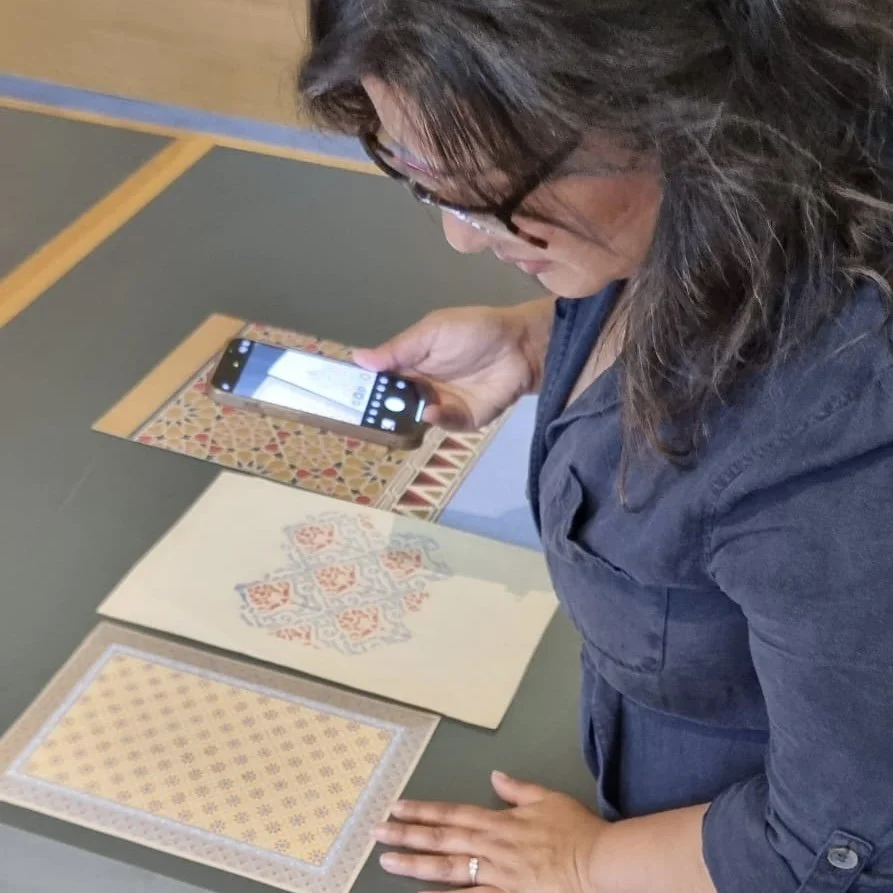
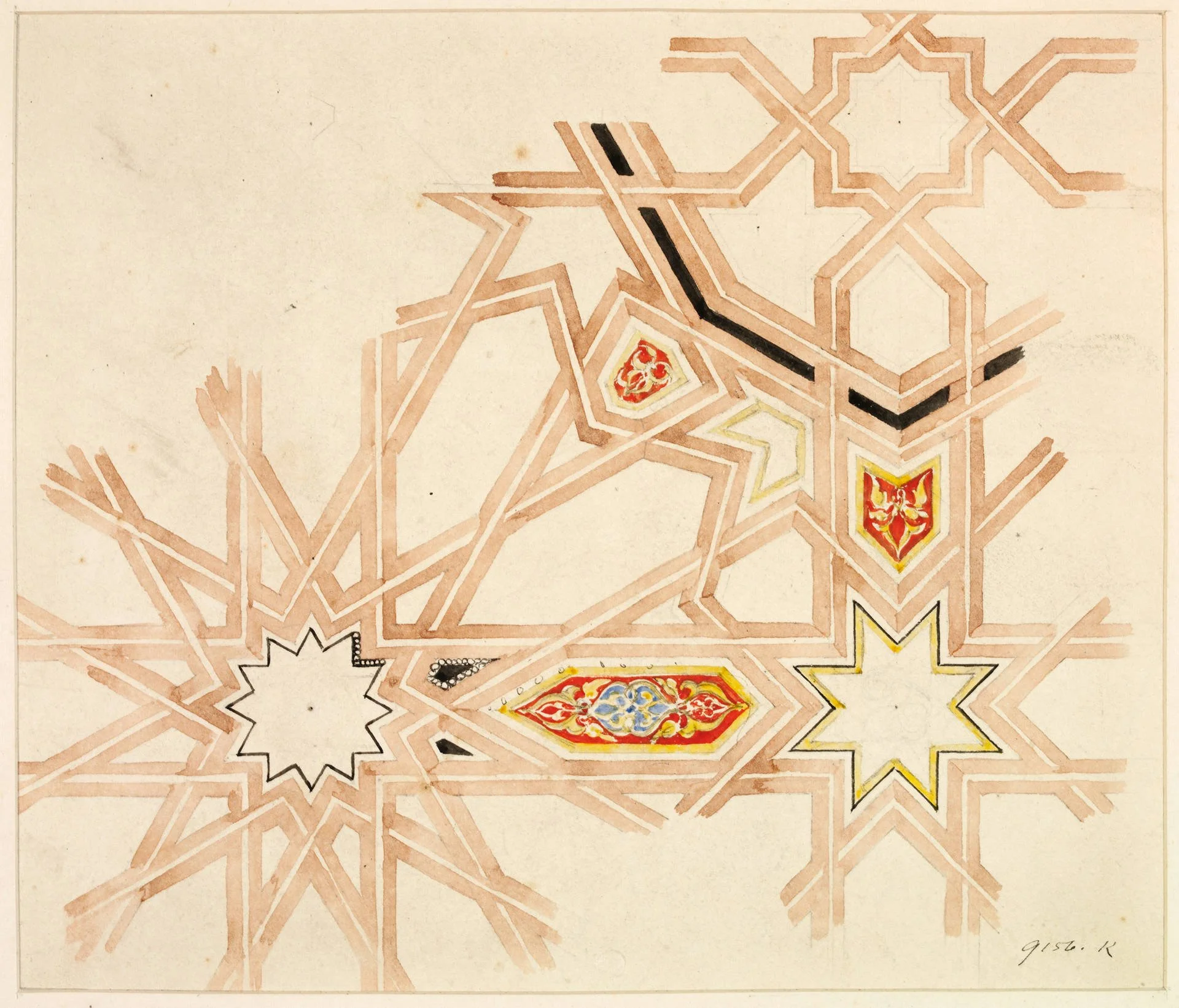
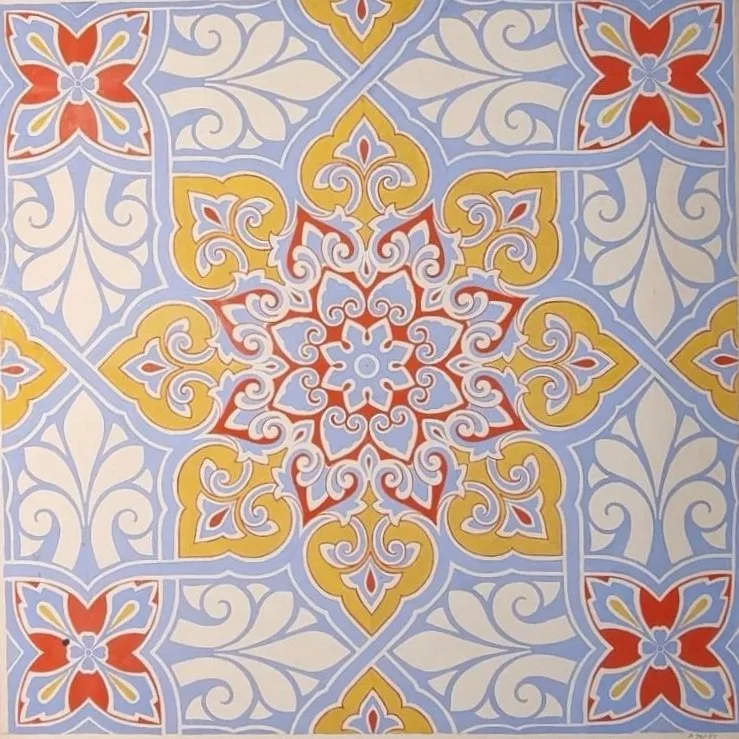
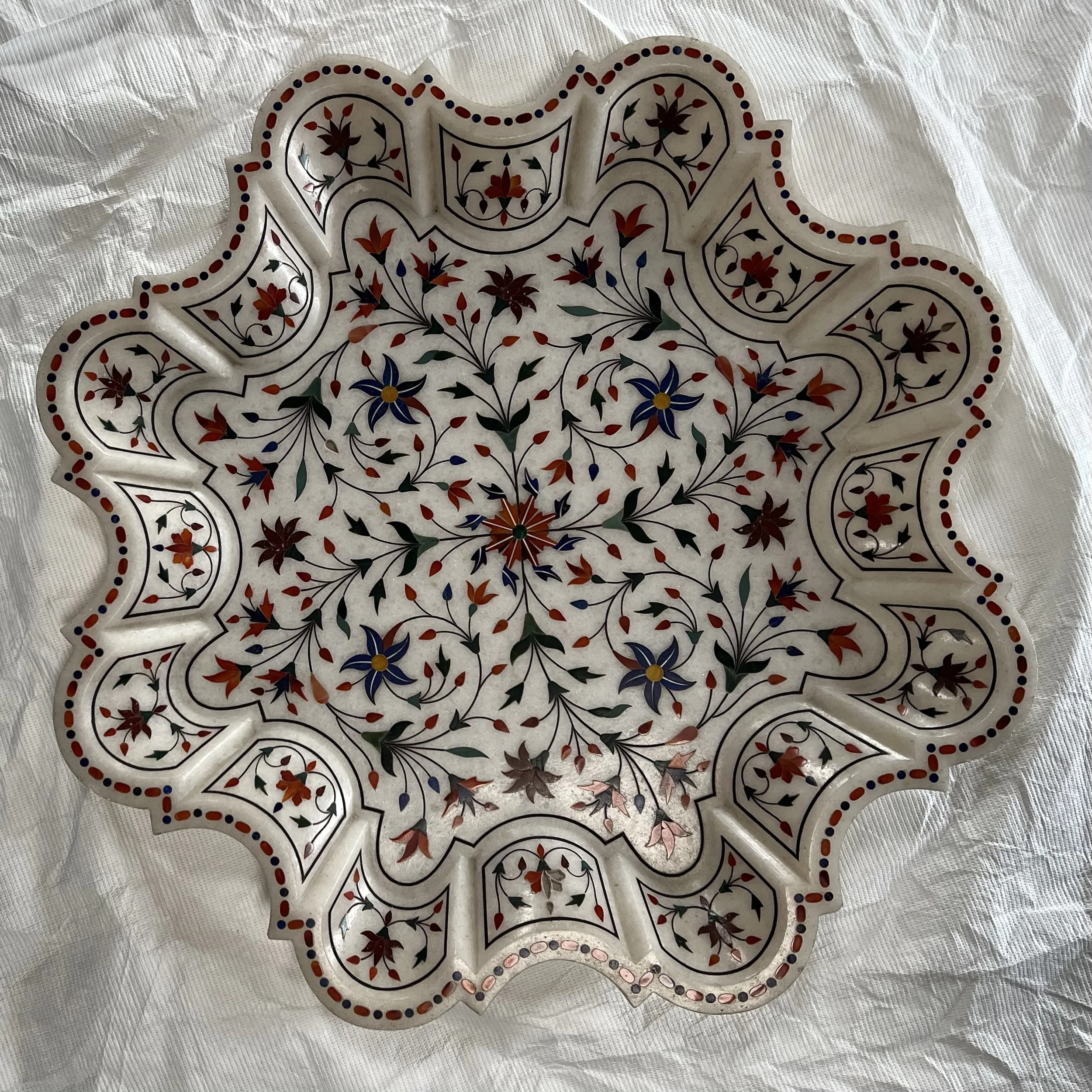
Examines the Agra Colonnade as a Mughal architectural fragment shaped by imperial patronage, colonial extraction, conservation and museum display. Originally part of a portico at Shah Jahan’s 1630s hammam at Agra Fort, the colonnade combines marble carving with coloured-stone inlay (parchin-kari).
Following the East India Company’s capture of Agra Fort in 1804, fragments of the dismantled colonnade were recovered and later sent to London for the 1886 Colonial and Indian Exhibition. They subsequently entered the V&A collection, where the colonnade has been displayed, moved and restored. Its changing material condition reveals how colonial histories, conservation practices and institutional display continue to reshape the meaning of Mughal architectural heritage.
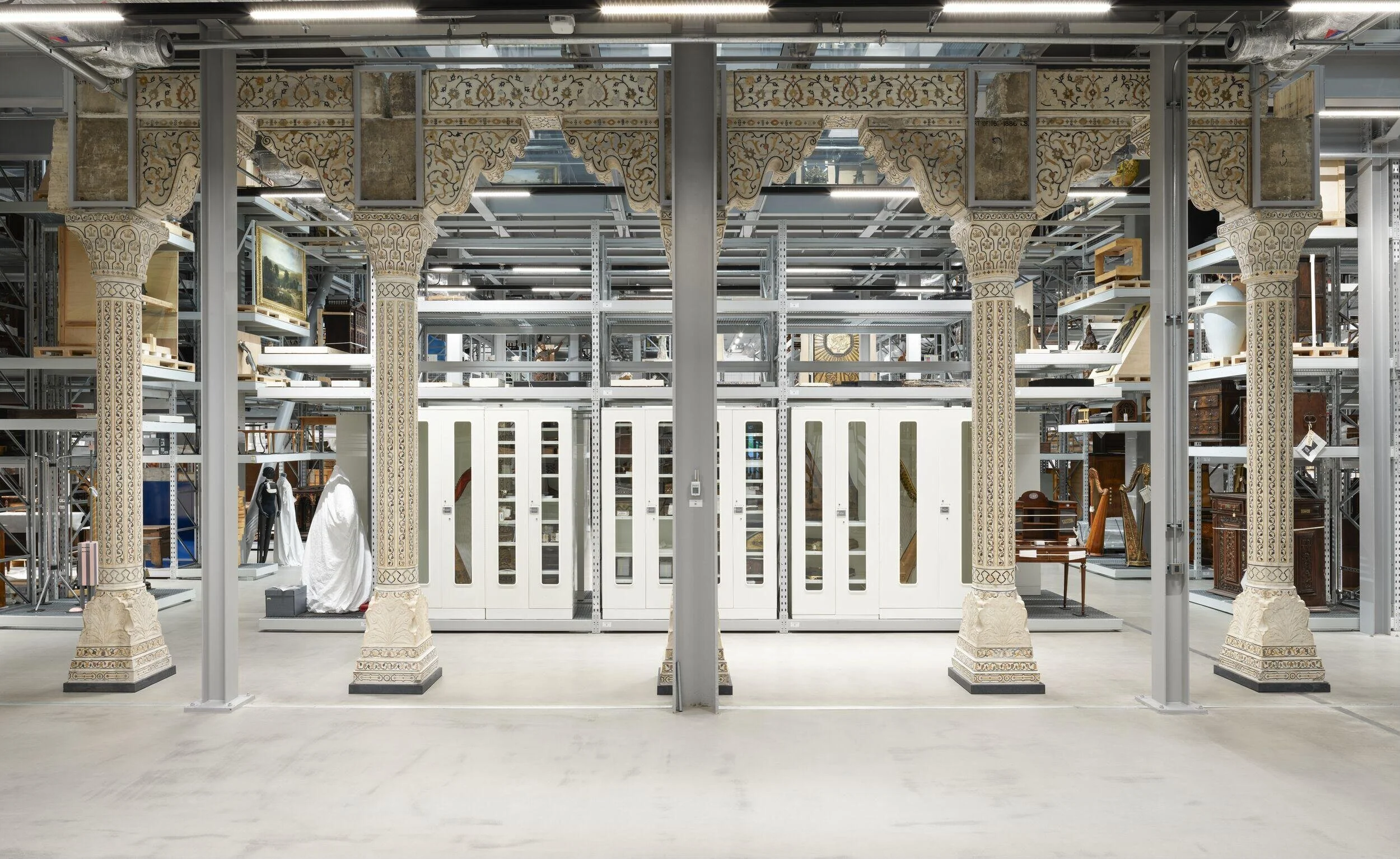
Agra Colonnade (1630-1640) (2025), Victoria and Albert Museum East Storehouse
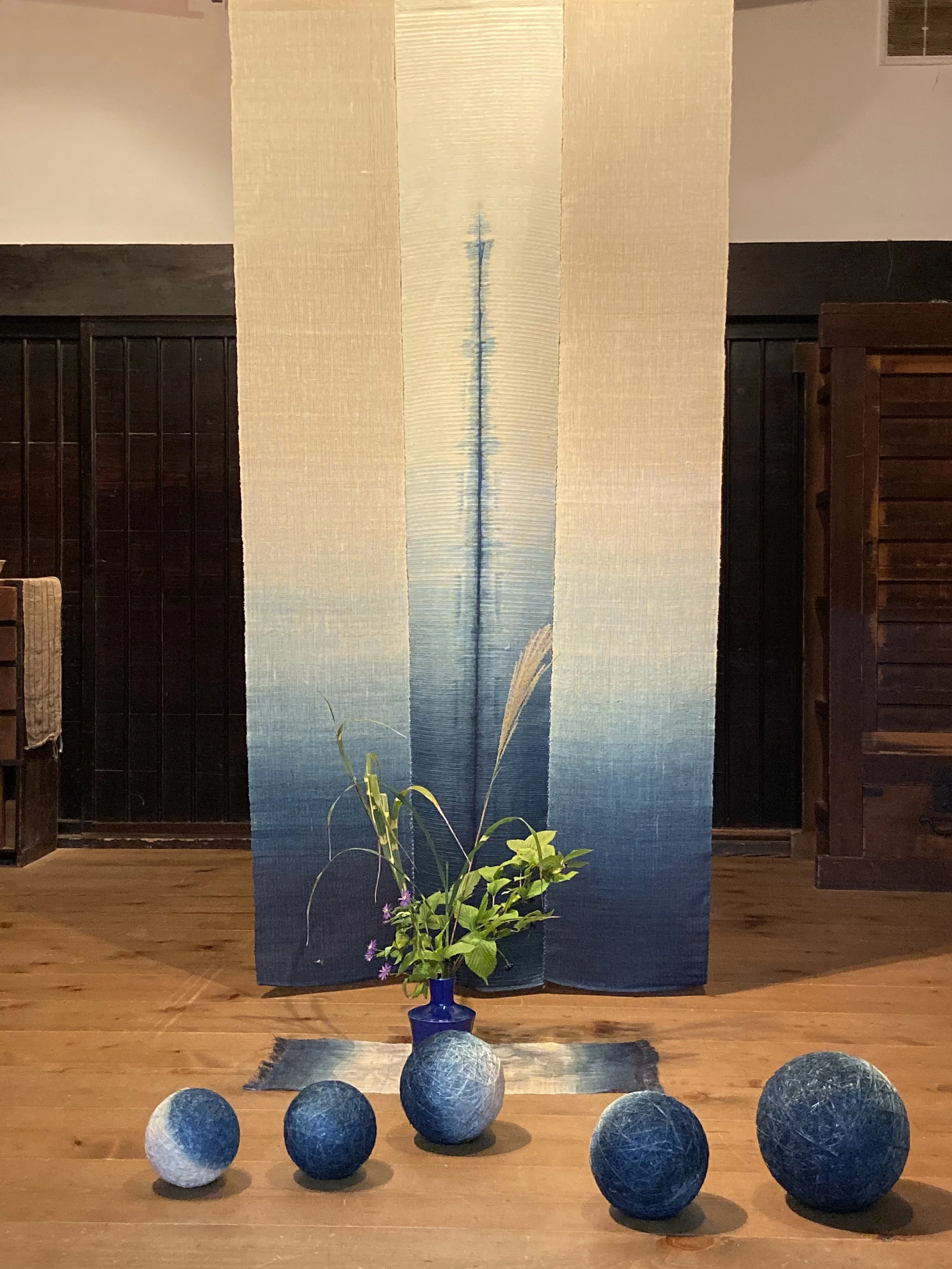
Tansa 探査: Japanese threads of influence
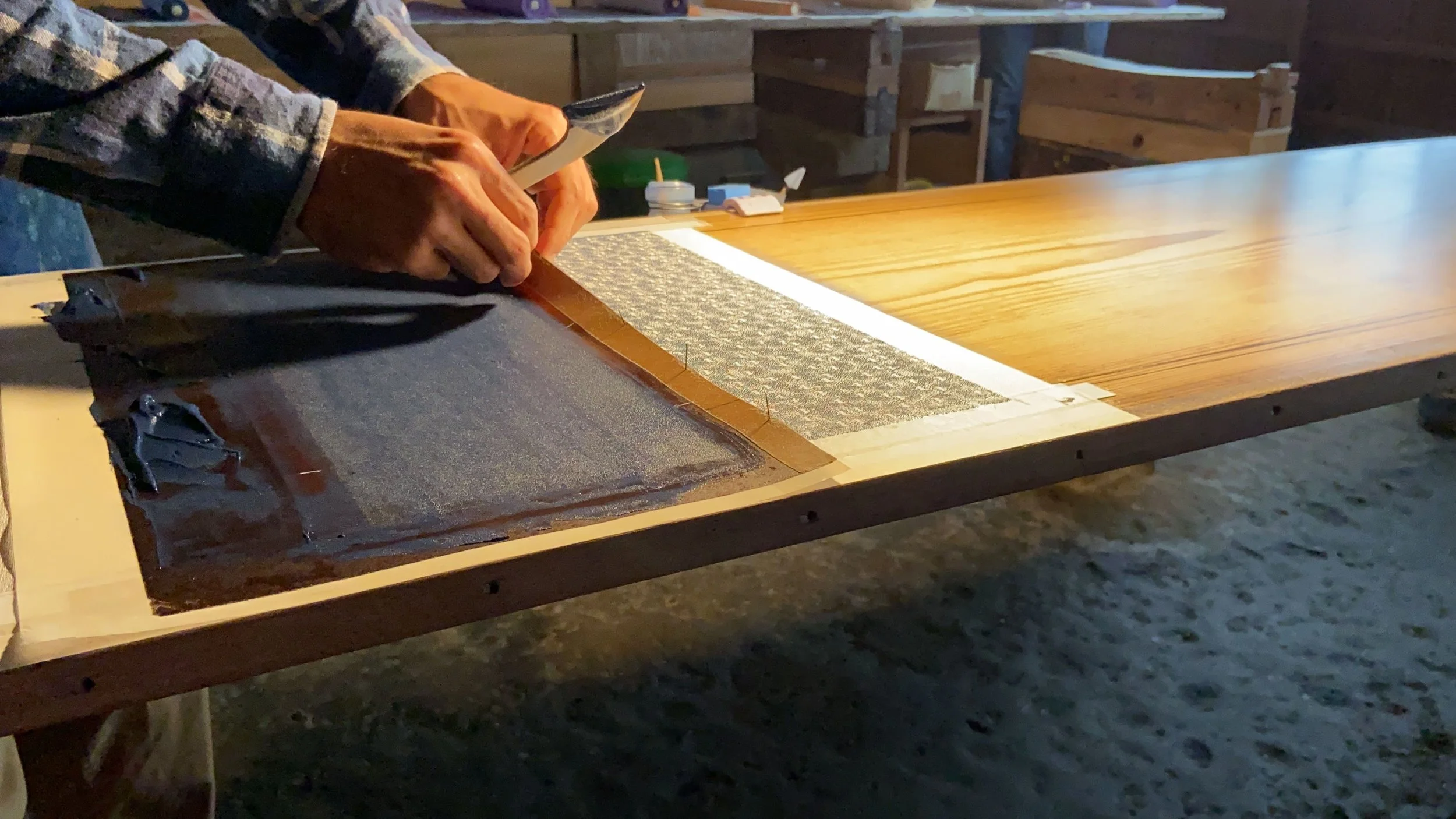
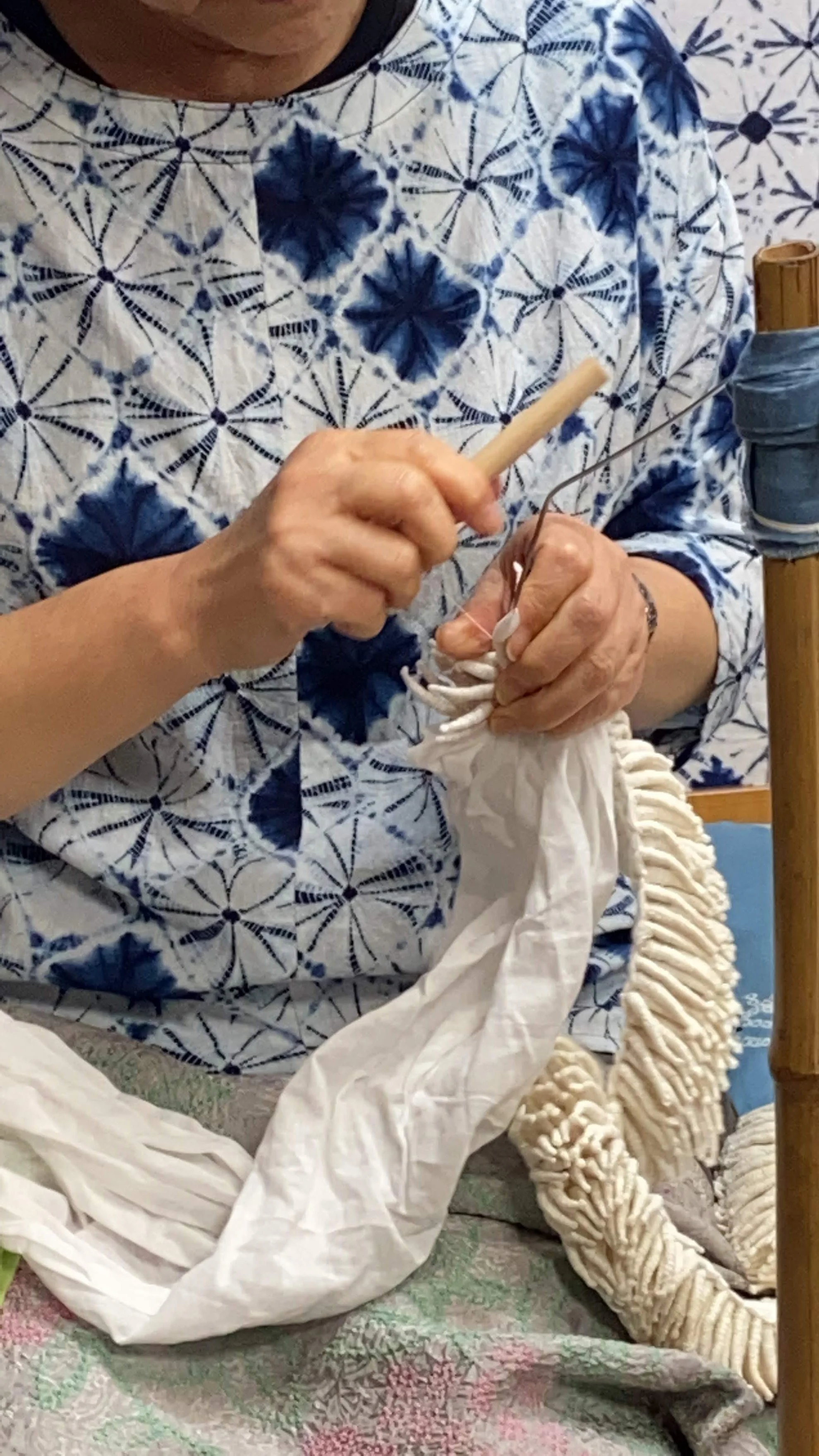
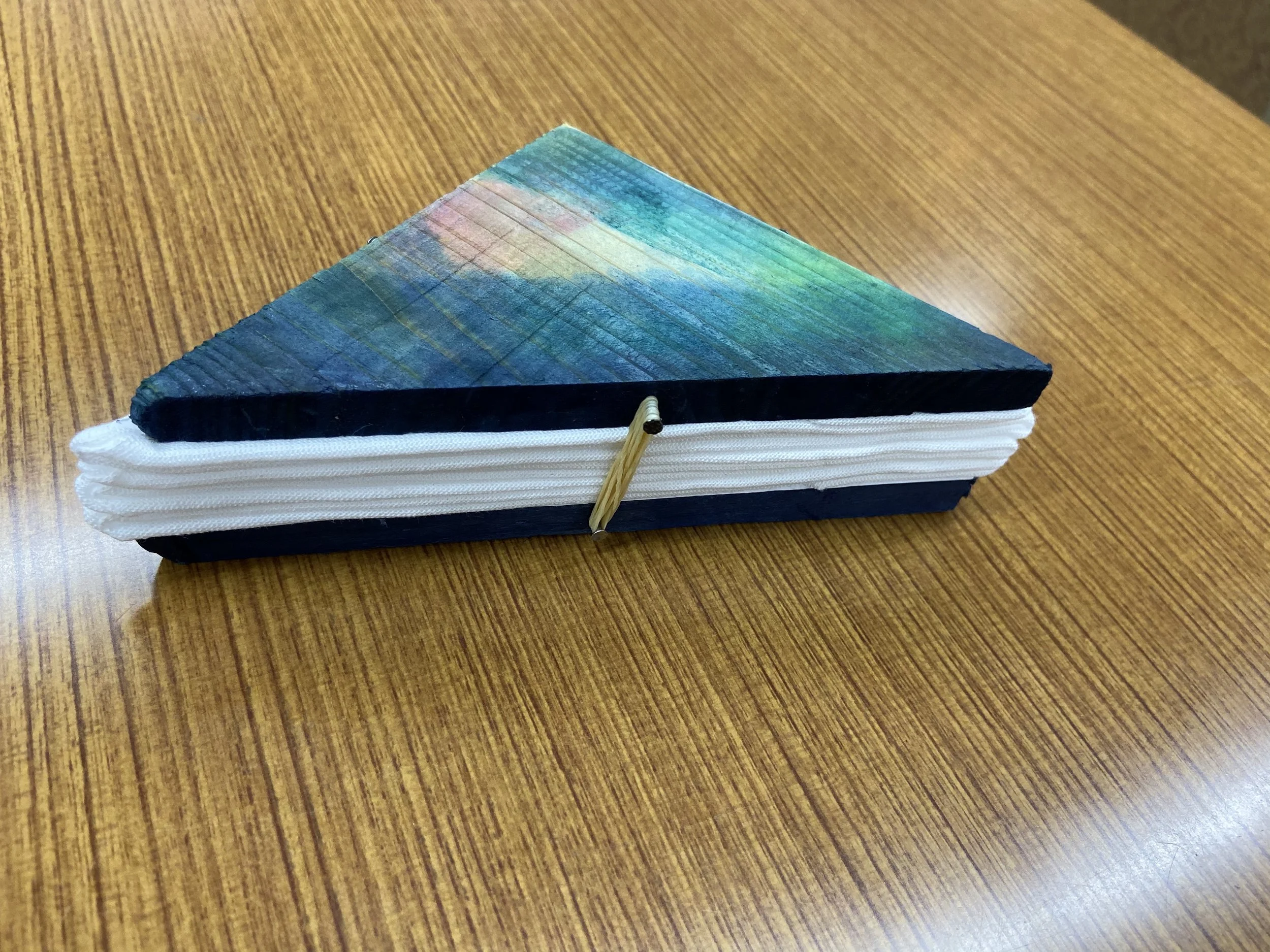
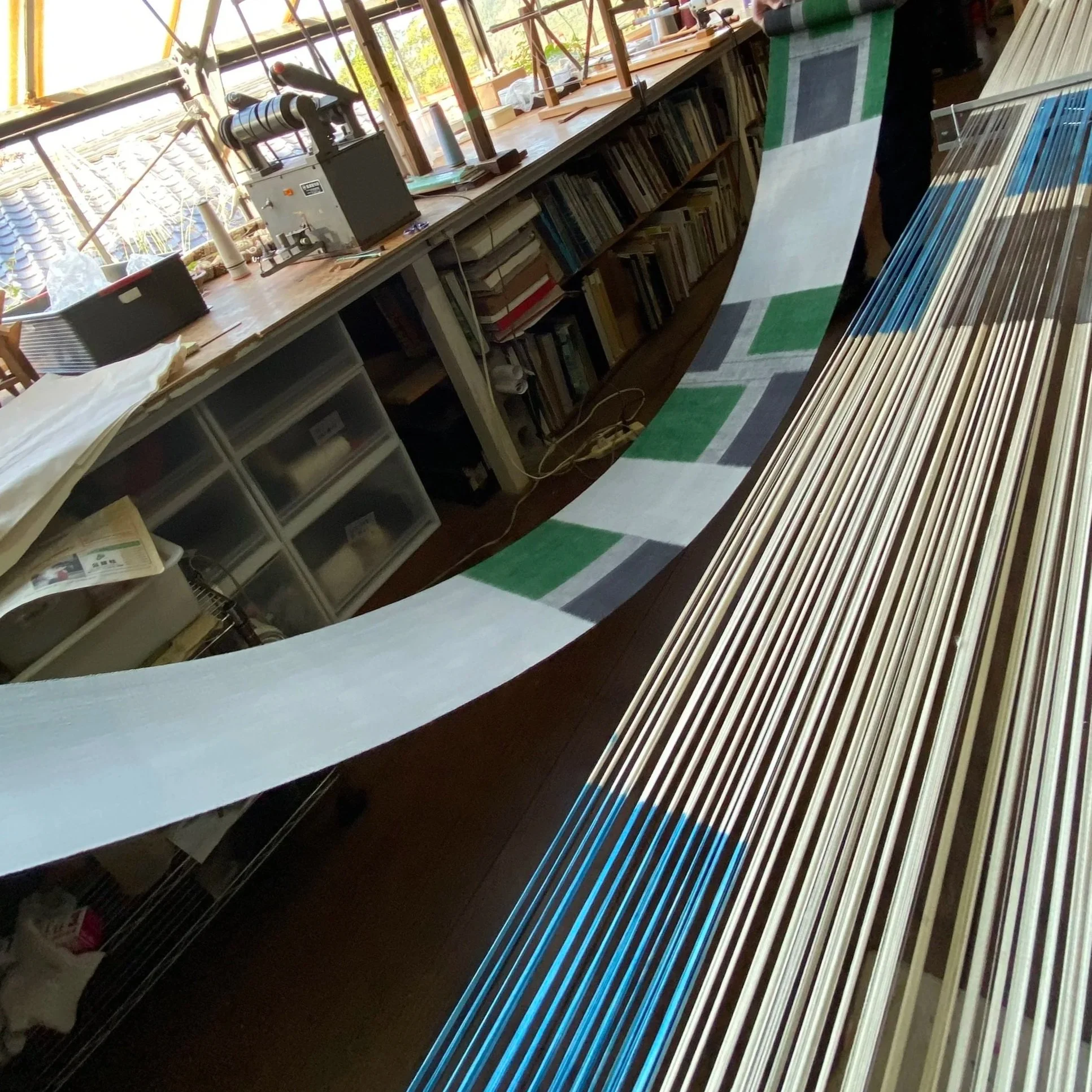
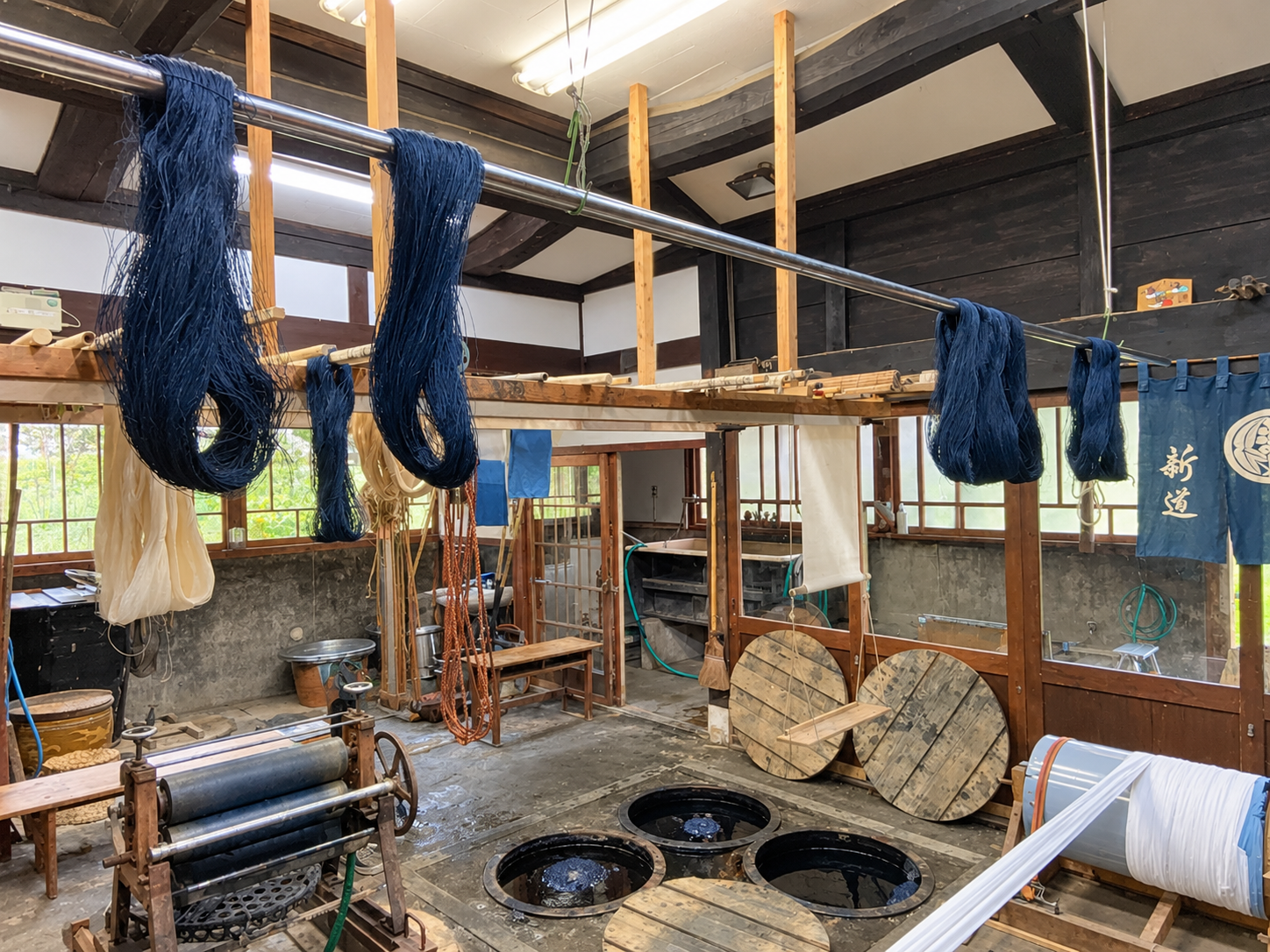
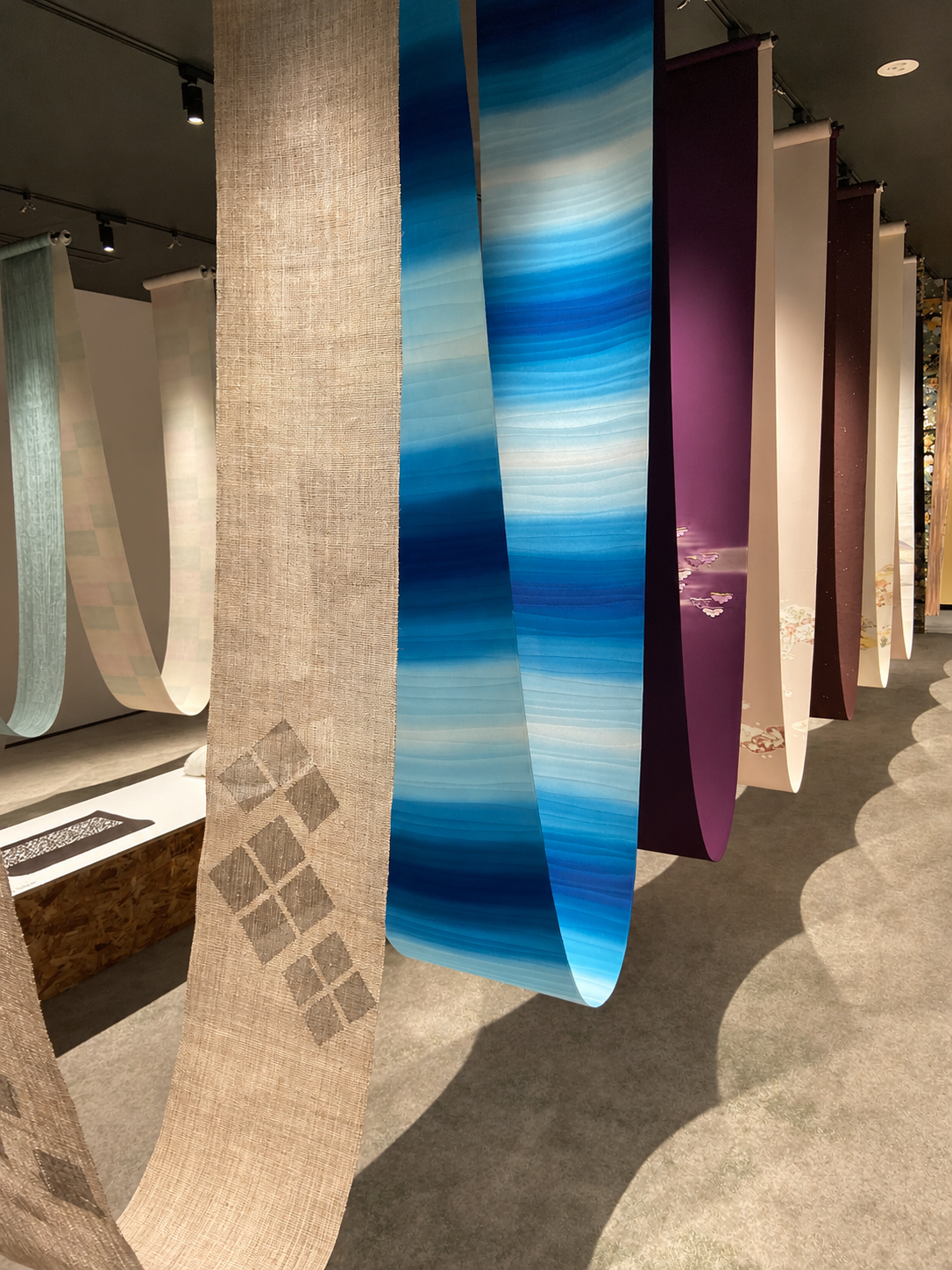
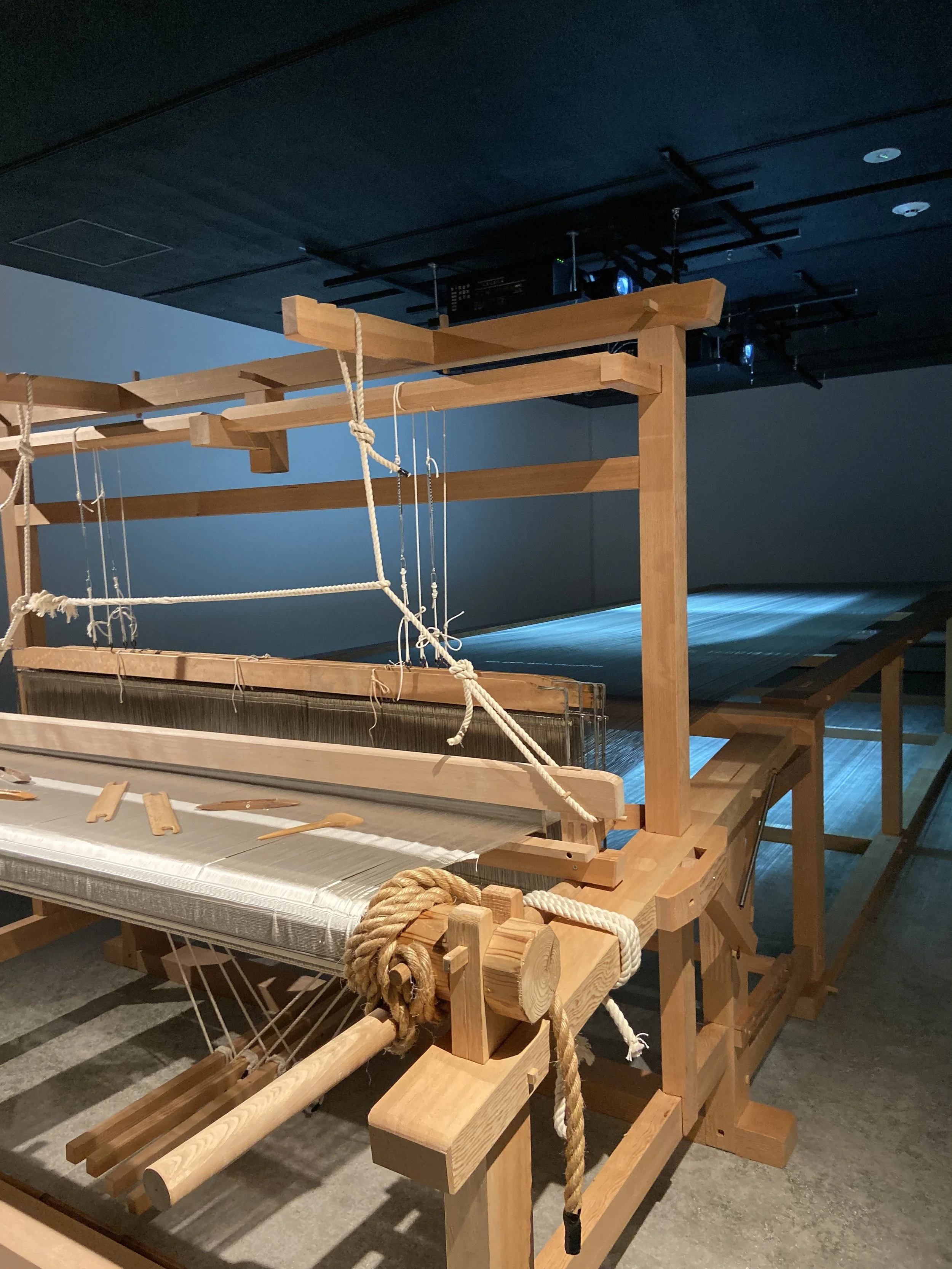
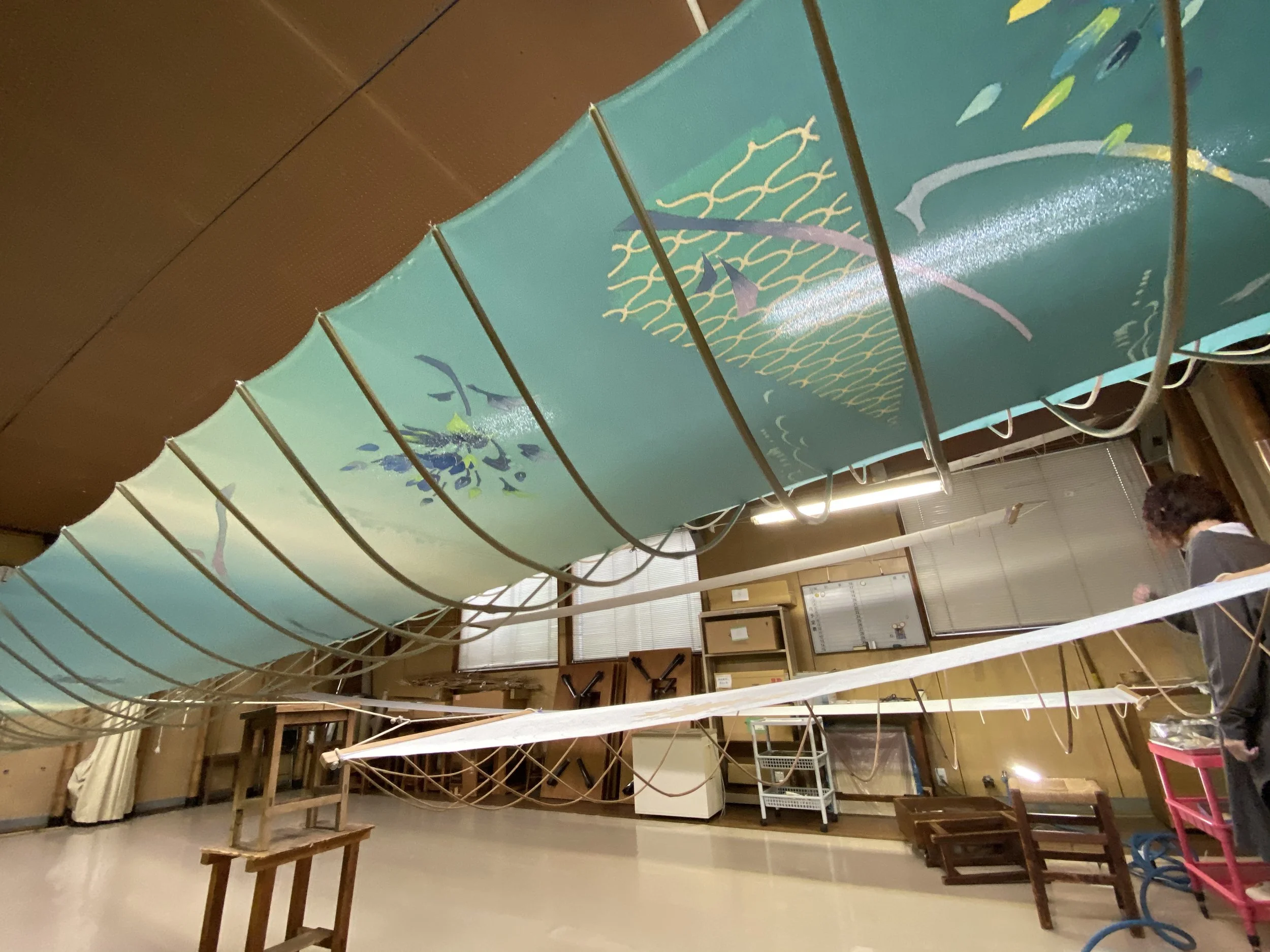
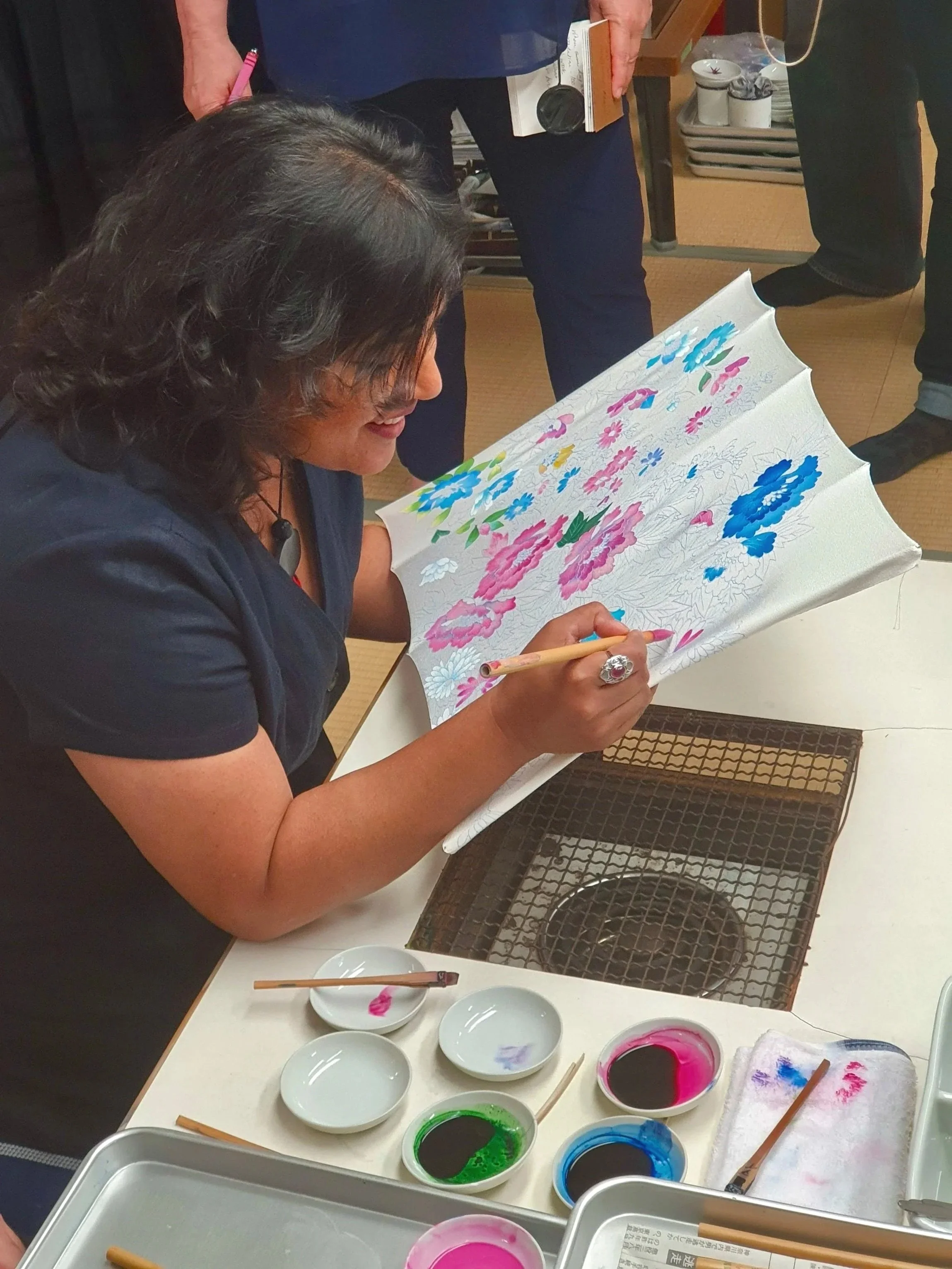
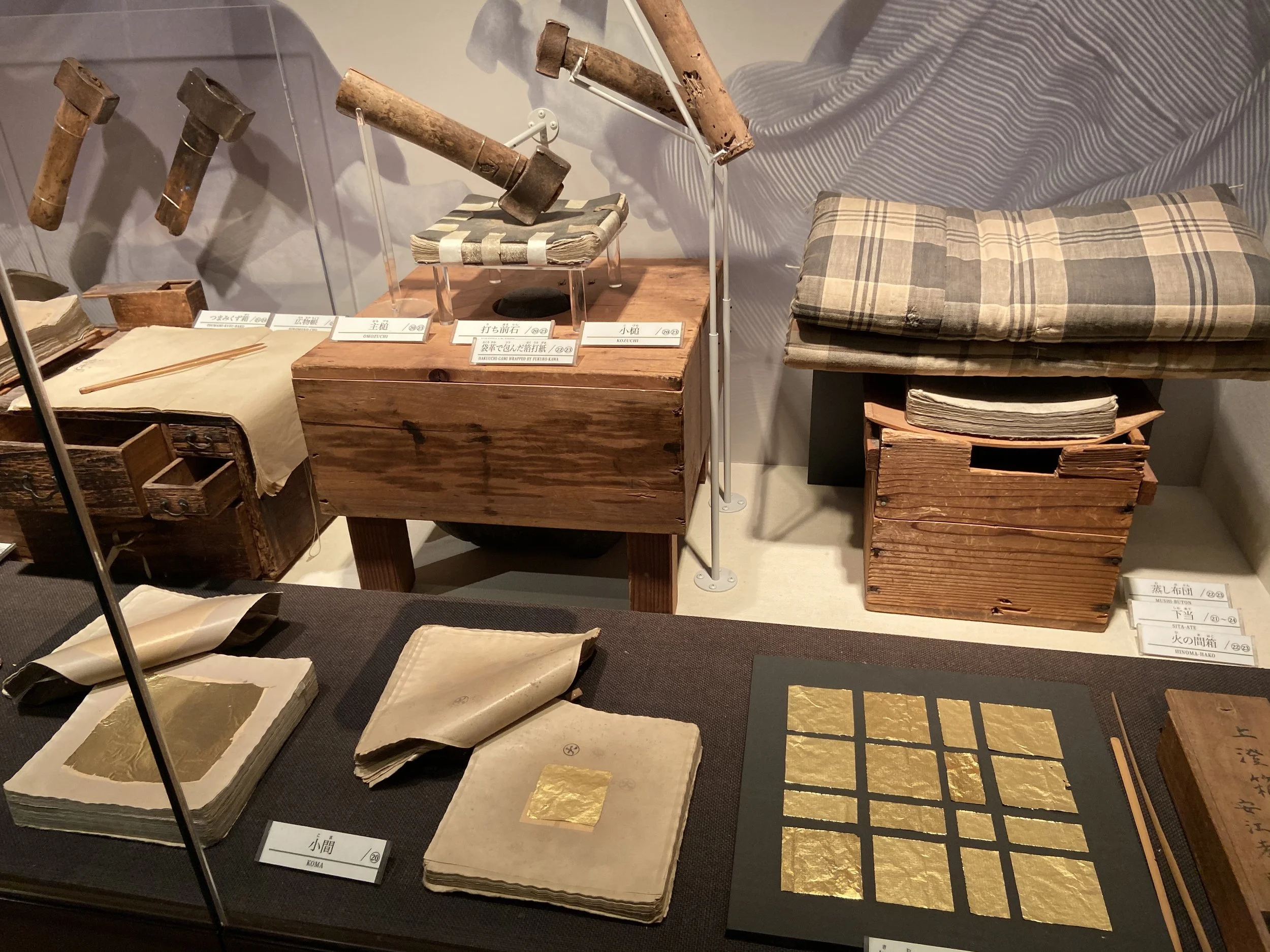
Tansa, the Japanese word for exploration, connected this Anglo-Japanese exhibition. The project began with a research visit to textile workshops, galleries and studios in Japan, undertaken by eighteen UK artists and led by Professor Lesley Millar, Director of the International Textile Research Centre.
The UK participants were artists, lecturers, postdoctoral researchers and MA and PhD students at the University for the Creative Arts. During the visit, they met Japanese National Living Treasures, Grand Masters and leading contemporary textile artists. Together, they presented new work in the Tansa exhibition.
As indigo dyer Hiroyuki Shindo described it, the exhibition was “becoming a bridge tying UK and Japan” (2020).
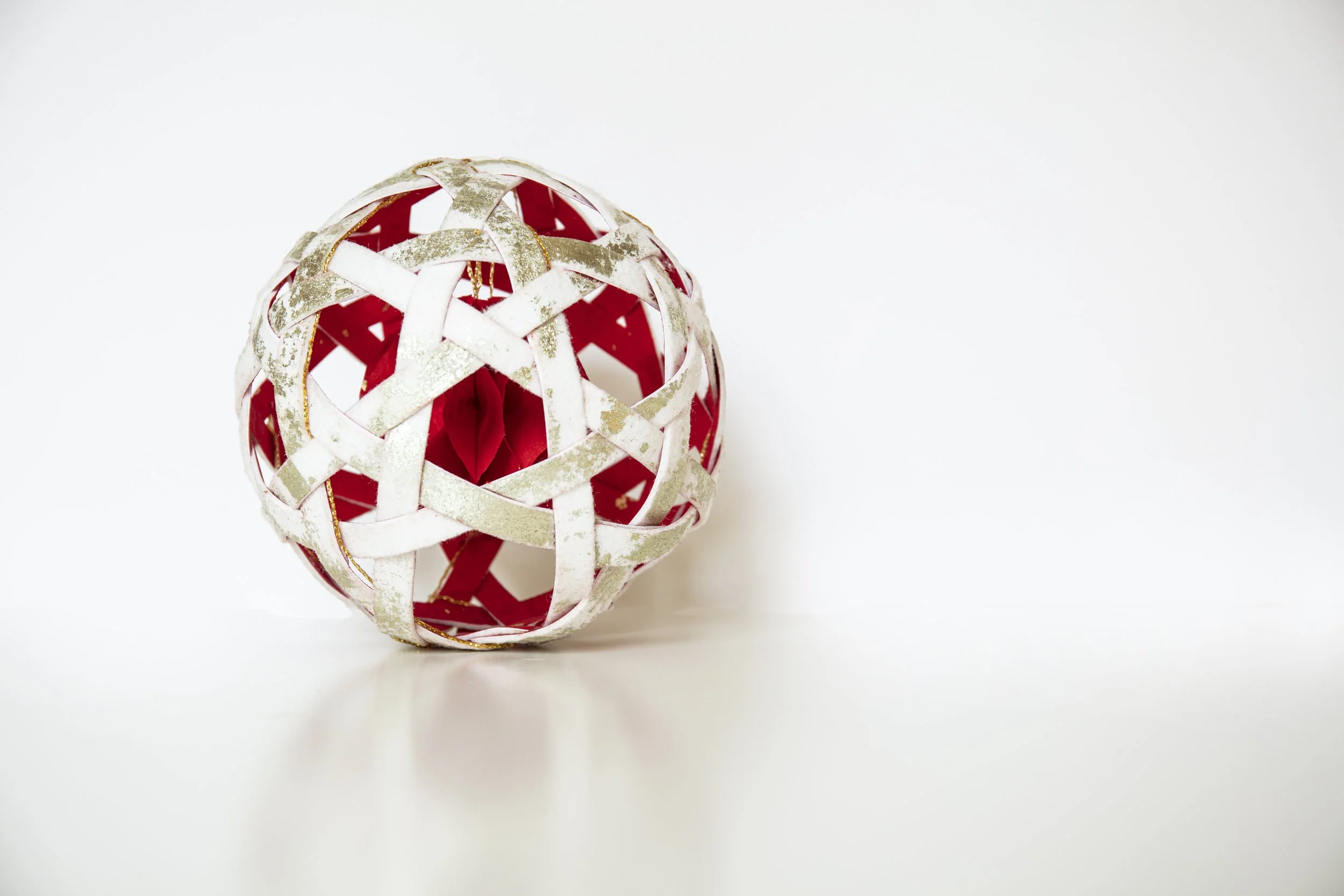
Jennifa Chowdhury, Abhyantara (2022), Wool felt, red rice paper, gold leaf